Unraveling Networked Pathways in Gaming Content Discovery Systems
Morgan Brooks · Aug 23, 2026
Unraveling Networked Pathways in Gaming Content Discovery Systems
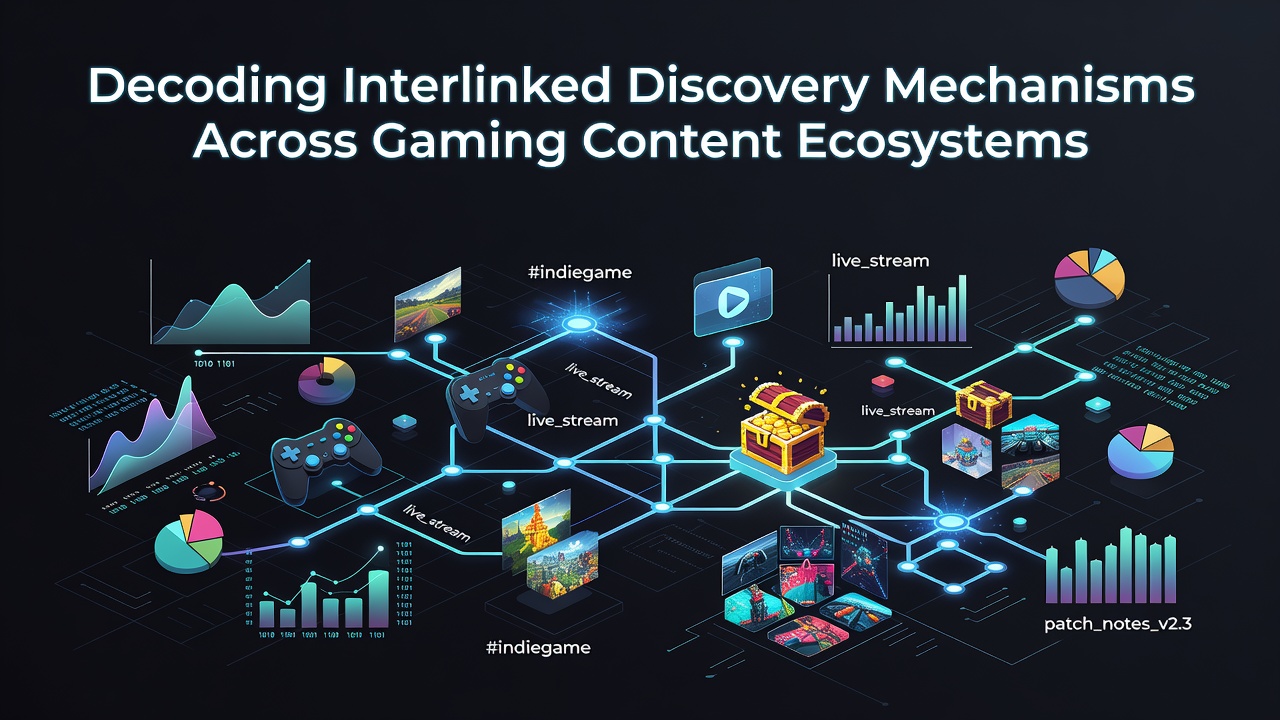
Platforms that host gaming media operate through layered systems where search functions connect directly to recommendation engines and user-generated feeds, creating pathways that surface videos, images, and community posts based on metadata tags, viewing history, and cross-platform signals. These mechanisms rely on data inputs from login patterns, upload behaviors, and interaction logs to prioritize content that matches user preferences while expanding reach through shared channels.
Core Components of Discovery Algorithms
Algorithms process multiple data streams at once, including keyword matches from video titles, image descriptions, and community comments, while also factoring in engagement metrics such as watch time, shares, and comments. Researchers at institutions tracking digital media trends have documented how these systems integrate real-time updates, allowing new uploads to appear in related searches within minutes of publication. As of August 2026, several platforms adjusted weighting factors to emphasize indie titles alongside major releases, resulting in broader distribution across user feeds.
Metadata standardization plays a central role here, with platforms requiring consistent tagging for genres, platforms, and themes so that content from one ecosystem can link seamlessly to another. This setup enables a single video upload to appear in both personalized recommendation lists and aggregated RSS channels without manual intervention from administrators.
Integration Across RSS and Community Channels
RSS feeds function as structured pipelines that pull content from multiple sources and deliver it to subscribers based on predefined categories. These feeds often interconnect with community spotlight sections, where highlighted posts gain visibility through algorithmic promotion tied to recent activity spikes. Data from industry reports shows that users who engage with one feed type frequently receive suggestions from linked channels, increasing overall session duration across the platform.
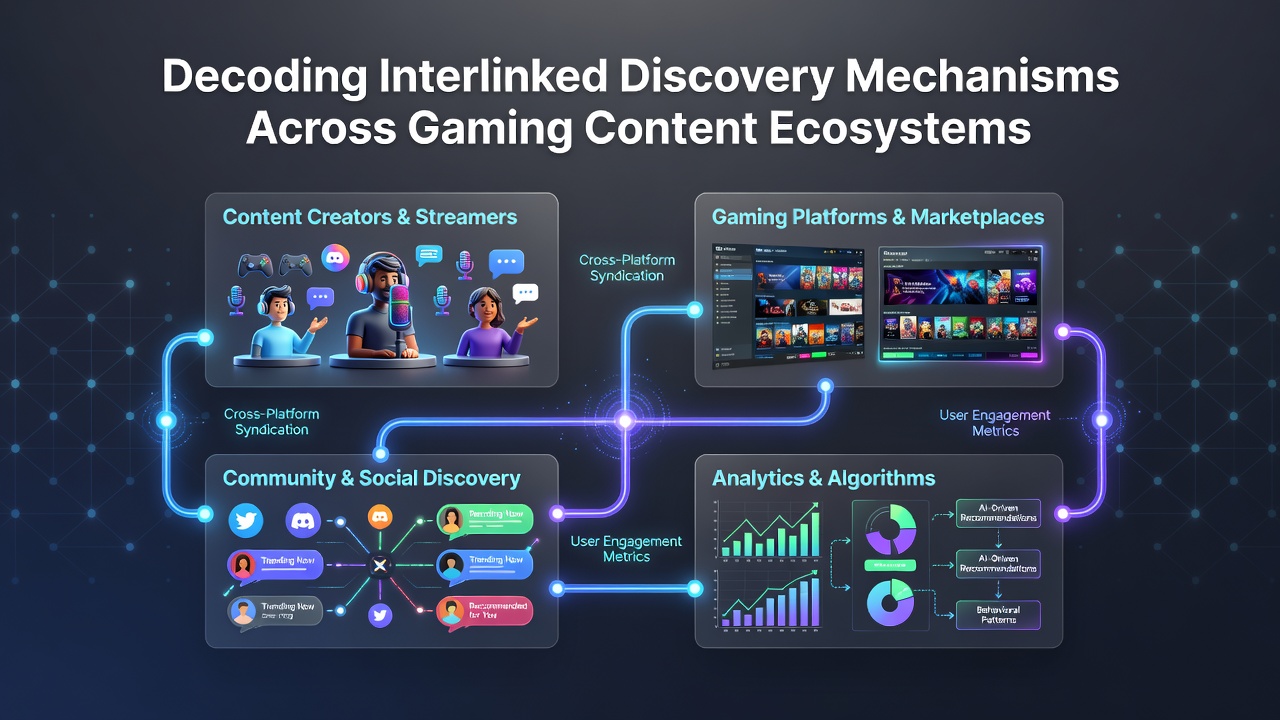
Community features add another layer by allowing users to create collections that reference external content, which then feeds back into the main discovery engine. This creates feedback loops where popular community posts influence what appears in global search results and personalized homepages. Observers note that such interlinking reduces content silos and supports smaller creators by routing traffic through established network nodes rather than isolated pages.
Cross-Platform Data Flows and User Pathways
Discovery extends beyond single sites when platforms exchange anonymized signals about trending topics or emerging genres. According to analyses from the Entertainment Software Association, these exchanges help align content visibility with broader market movements, such as surges in specific game genres during seasonal events. Users who begin with a basic search often progress through layered recommendations that draw from both internal databases and partnered ecosystems, leading to longer exploration sessions.
Login systems serve as entry points that unlock tailored views, pulling together data from past uploads, photo galleries, and video interactions to generate dynamic pathways. This process connects directly to administrative tools that allow moderators to adjust visibility settings, ensuring compliance with platform guidelines while maintaining flow across different content types.
Regulatory and Technical Considerations in August 2026
Technical standards for data handling continue to evolve, with platforms incorporating requirements from bodies like the European Commission on digital services to maintain transparency in how recommendations are generated. These updates influence how interlinked systems prioritize content, particularly when balancing automated suggestions against manual curation from community managers. Figures from recent industry tracking indicate measurable shifts in content distribution patterns following such adjustments.
Security protocols around user data also affect discovery mechanics, as platforms limit certain data shares to prevent unintended cross-referencing between accounts. This creates controlled environments where discovery remains effective yet respects privacy boundaries established through regional regulations.
Conclusion
Interlinked discovery mechanisms across gaming content ecosystems depend on coordinated algorithms, standardized metadata, and feedback from community activity to connect users with relevant material. These systems continue to adapt through technical refinements and regulatory alignments, supporting efficient content surfacing while maintaining structured pathways between search, feeds, and social features.