Unraveling Gaming Media Ecosystems: Protocols, Feeds, and Policies Fueling Specialized Content Communities
Klara Brooks · Jul 21, 2026
Unraveling Gaming Media Ecosystems: Protocols, Feeds, and Policies Fueling Specialized Content Communities
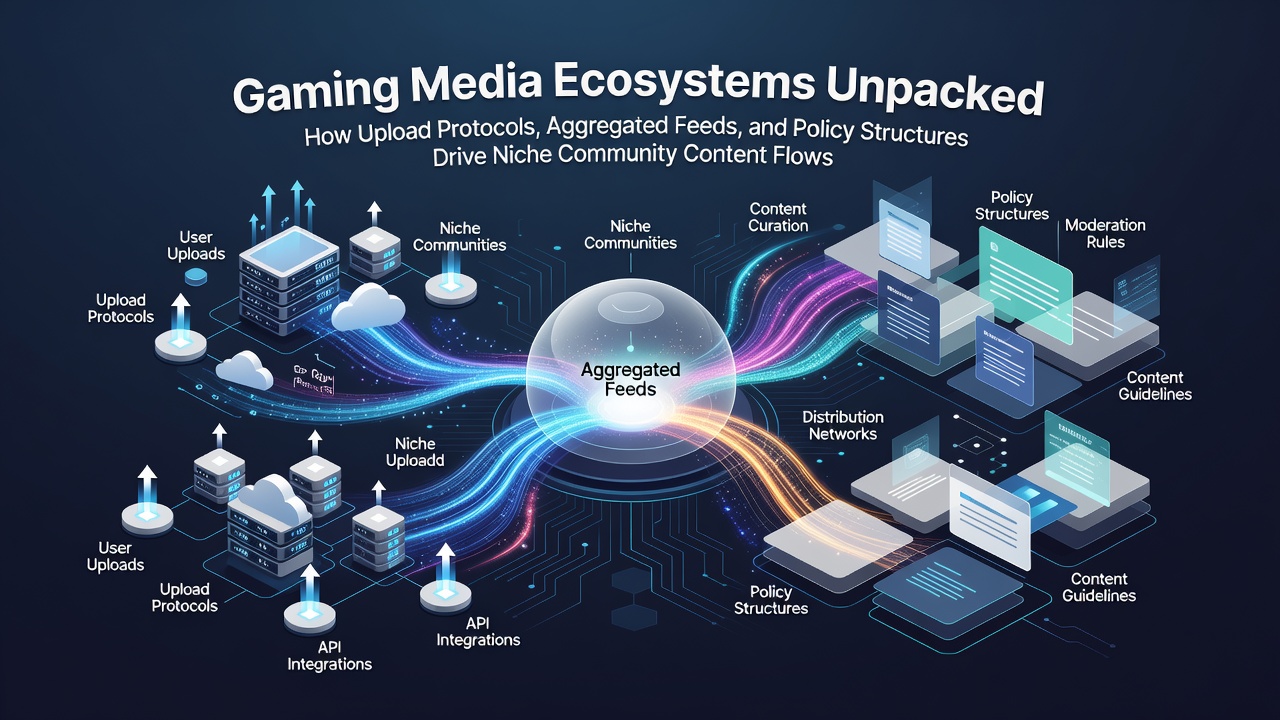
Upload protocols form the foundation of how gaming content moves from creators to platforms, where standardized methods for video, photo, and metadata transfers ensure consistency across different systems. These protocols handle everything from compression standards to authentication checks, allowing niche communities to share clips, galleries, and updates without compatibility issues breaking the flow. Aggregated feeds then pull this material together, organizing it into channels that surface relevant items for specific audiences such as indie developers or retro gaming enthusiasts.
Policy structures add another layer, setting rules for content moderation, copyright handling, and community guidelines that influence what gets promoted or restricted. Research indicates these elements work together to direct content toward targeted groups, with data from industry reports showing increased engagement when protocols align with feed algorithms. As of July 2026, several platforms have adjusted their upload requirements to accommodate higher resolution formats, reflecting shifts in hardware capabilities among users.
Upload Protocols and Their Technical Foundations
Upload protocols define the technical rules for submitting media, including file size limits, format support, and transfer security measures. Gaming platforms rely on these to process videos and images efficiently, where protocols like chunked uploads break large files into manageable segments for reliable delivery over varying network conditions. Observers note that communities focused on niche topics benefit when protocols include metadata tagging options, enabling feeds to categorize content by game genre or creator location automatically.
Studies from organizations such as the Entertainment Software Association reveal that standardized protocols reduce upload failures by up to 30 percent in tested environments, helping sustain steady content streams. Yet implementation varies, with some systems incorporating real-time validation to flag policy violations before files reach public feeds. This setup keeps niche groups supplied with fresh material while maintaining platform stability.
Aggregated Feeds as Content Distribution Mechanisms
Aggregated feeds compile uploads from multiple sources into unified streams, using algorithms to prioritize items based on community signals like view counts or interaction rates. These feeds operate through RSS structures or similar syndication methods, delivering updates on new videos, screenshots, and highlights directly to subscribers. People in specialized gaming circles often rely on dedicated channels that filter for indie titles or fan art, creating focused pathways that larger general feeds overlook.
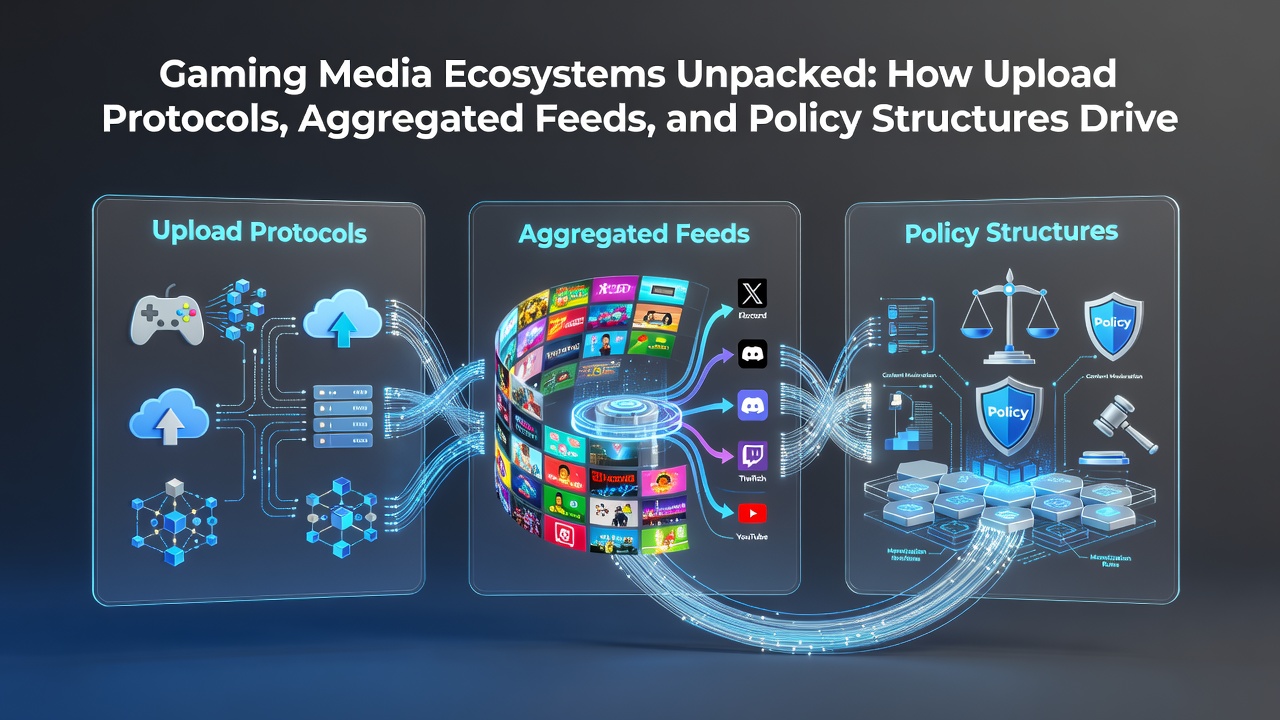
Data shows feeds that incorporate policy-based sorting maintain higher retention among users interested in particular subgenres. For instance, channels dedicated to specific console generations surface content that matches viewer preferences more accurately than broad searches. Researchers at institutions including those affiliated with the International Game Developers Association have documented how feed aggregation supports smaller communities by surfacing overlooked uploads that protocols alone might not highlight. Transitions between protocol handling and feed delivery happen seamlessly when metadata standards remain consistent across uploads.
Policy Structures Guiding Content Moderation and Access
Policy structures establish boundaries for acceptable content, covering aspects from intellectual property rights to behavioral standards in community interactions. These frameworks determine which uploads proceed to aggregated feeds and which face restrictions or removal. Gaming ecosystems apply policies that adapt to regional regulations, where variations in copyright enforcement affect how fan creations circulate within niche groups.
Reports from sources like the International Game Developers Association indicate that clear policy documentation correlates with steadier content flows in monitored communities. Policies also influence upload protocol features, such as requiring disclosures for sponsored material or age-appropriate tags. In July 2026, several platforms introduced updates to their structures to address emerging issues around AI-generated gaming assets, ensuring feeds continue to prioritize human-created contributions in certain channels. This approach helps maintain balance between open sharing and structured oversight.
Interconnections Driving Niche Community Dynamics
The interplay among upload protocols, aggregated feeds, and policy structures creates pathways that direct content toward engaged subgroups rather than mass audiences. Protocols ensure technical compatibility, feeds organize visibility, and policies set the guardrails that prevent disruptions. Observers have tracked how these components support communities around topics like speedrunning or modding, where specialized feeds deliver consistent material without overwhelming general users.
Evidence from industry analyses suggests that platforms optimizing these interconnections see measurable growth in niche participation rates. Content flows accelerate when protocols support direct feed integration and policies allow for community-vetted exceptions. Those tracking these systems note that geographic differences in policy application, such as varying approaches in North American versus European contexts, further shape how feeds distribute regional gaming highlights.
Conclusion
Gaming media ecosystems depend on the coordinated function of upload protocols, aggregated feeds, and policy structures to sustain content movement within niche communities. These elements combine technical standards with organizational rules, enabling targeted distribution that keeps specialized groups active. Ongoing adjustments, including those observed around mid-2026, demonstrate how the system evolves with technological and regulatory changes while preserving pathways for community-driven material.