Tracing Digital Footprints: User Navigation Patterns in Interactive Media Platforms
Morgan Brooks · Aug 4, 2026

Tracing Digital Footprints: User Navigation Patterns in Interactive Media Platforms
Interactive media environments have evolved into complex ecosystems where users move through distinct stages from initial registration to content discovery, all while navigating layers of legal compliance requirements that shape platform operations worldwide. Data from industry reports shows that registration typically begins with basic profile creation involving email verification and consent agreements, yet the process expands in August 2026 as platforms integrate enhanced identity checks to align with emerging global standards.
Registration Foundations and Initial User Onboarding
Registration serves as the entry point where platforms collect essential data points such as usernames, passwords, and demographic details, while users agree to terms that outline data handling practices. Researchers at academic institutions note that this stage often includes multi-factor authentication steps, which reduce unauthorized access incidents by significant margins according to security analyses conducted across multiple regions. Platforms then guide new users through preference selection screens that influence subsequent recommendations, creating personalized pathways right from the start.
Those who've examined user behavior patterns observe that seamless registration correlates with higher retention rates, because friction at this point leads many to abandon the process entirely. In practice, interactive environments employ progressive profiling techniques where additional information is gathered over time rather than all at once, allowing for smoother entry while still building comprehensive user profiles for targeted content delivery.
Pathways to Content Discovery and Exploration
Once registered, users enter content discovery phases driven by algorithms that analyze past interactions, search queries, and engagement metrics to surface relevant media. Studies indicate these systems rely on collaborative filtering methods alongside content-based approaches, resulting in dynamic feeds that adapt in real time as users interact with videos, streams, or interactive elements. Observers note that discovery tools such as search bars, category browsers, and personalized homepages play central roles in guiding users toward new material without overwhelming them with options.
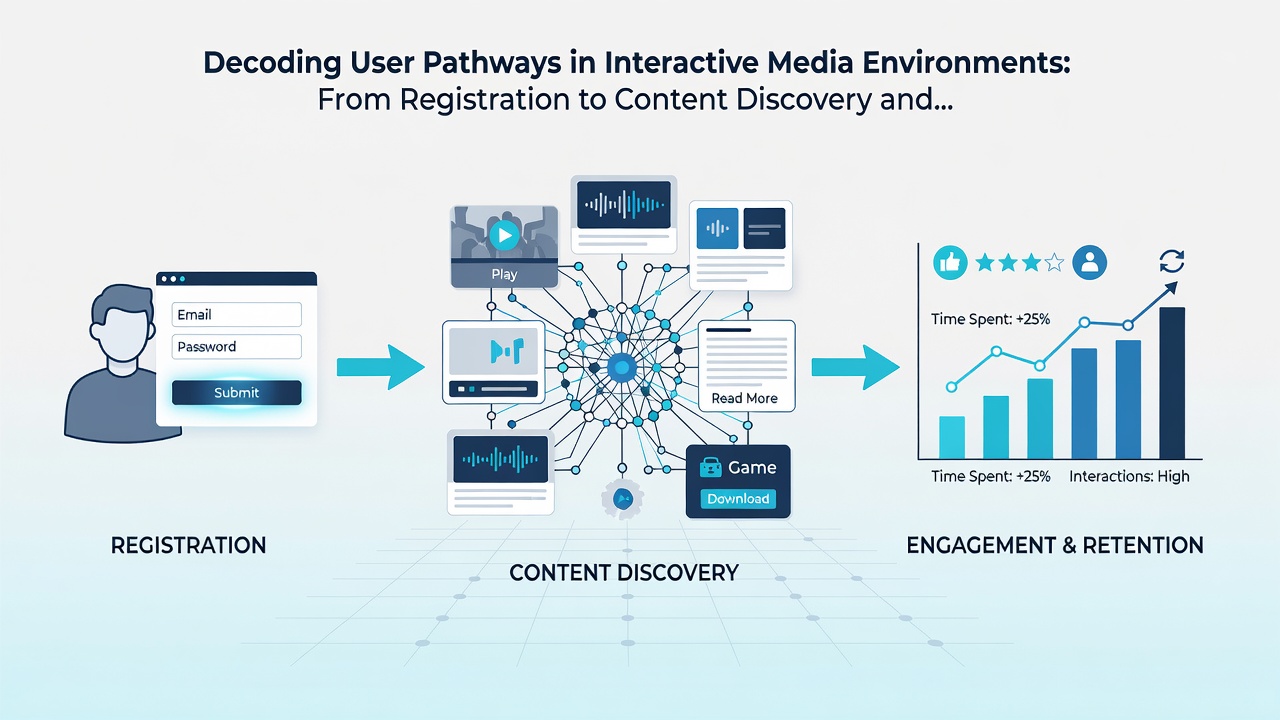
But here's the thing: discovery extends beyond automated suggestions, incorporating social features like shares, comments, and community highlights that connect users with peer-generated pathways. Evidence from platform analytics reveals that users often follow indirect routes, such as trending sections or curated playlists, which introduce serendipitous finds while maintaining compliance with content moderation rules. In August 2026, enhancements to these tools are projected to incorporate more transparent algorithm explanations, helping users understand why certain items appear in their feeds.
Legal Compliance Frameworks Across Regions
Legal compliance intersects every stage of the user pathway, requiring platforms to adhere to data protection regulations that vary by jurisdiction. According to the Federal Trade Commission guidelines on consumer privacy, platforms must obtain explicit consent for data collection during registration and provide clear opt-out mechanisms throughout the discovery process. Similarly, the Office of the Privacy Commissioner of Canada emphasizes accountability in how user information supports recommendation engines, mandating regular audits to prevent misuse.
Platforms address these requirements through built-in tools such as privacy dashboards and age verification systems, which become mandatory for certain content categories. Research from European data protection bodies highlights that non-compliance can result in substantial fines, prompting interactive media companies to embed legal checkpoints into user flows rather than treating them as separate afterthoughts. This integration ensures that content discovery respects restrictions on targeted advertising and data sharing across borders.
Integration of Pathways with Ongoing Compliance
Users who progress through these environments encounter ongoing compliance elements, including cookie consent banners and content labeling requirements that appear during discovery sessions. Figures from regulatory reports show increased emphasis on transparency in how platforms handle user data for personalization, with many services now offering granular controls over what information feeds their algorithms. Those studying platform design find that embedding these elements early reduces user drop-off while satisfying obligations under multiple international frameworks.
Case examples from major interactive platforms demonstrate how registration data informs compliant content moderation, where automated systems flag potential violations before users encounter restricted material. What's significant is the balance achieved when legal requirements enhance rather than hinder discovery, such as through verified creator badges that signal trustworthy sources.
Conclusion
Decoding user pathways in interactive media reveals a structured progression from registration through discovery, tightly interwoven with legal compliance measures that protect participants across global markets. As platforms refine these flows in response to regulatory shifts around August 2026, the emphasis remains on creating efficient, transparent experiences that respect user autonomy and data rights. Continued observation of these patterns provides valuable insights for developers and regulators alike seeking to optimize interactive environments.