The Interconnected Dynamics of Upload Protocols and Ranking Algorithms in Online Forums
Viktor Coleman · Jul 2, 2026

The Interconnected Dynamics of Upload Protocols and Ranking Algorithms in Online Forums
Online community platforms rely on intricate systems where content upload protocols directly influence how results appear in rankings, and observers note that these mechanisms operate in ways that connect metadata handling with visibility outcomes. Data from various studies shows that when users submit material through standardized protocols, elements like file formats, timestamps, and verification steps feed into algorithms that determine placement in search results or feeds.
Core Elements of Upload Protocols
Upload protocols in digital communities typically involve structured processes that platforms enforce to manage incoming content, and researchers have documented how these include requirements for compression standards, authentication tokens, and categorization tags. According to findings from the European Commission's digital services reports, such protocols help maintain consistency across millions of submissions daily, whereas variations in protocol adherence can alter how quickly content enters the ranking pipeline. Those who've examined platform architectures find that protocols often incorporate checks for duplicates or policy compliance before any ranking consideration begins.
Platforms process uploads through layers that capture technical details alongside user-provided information, and this data collection supports subsequent algorithmic evaluations. Evidence from academic analyses at institutions like the University of Melbourne indicates that protocol design choices affect processing speed, which in turn impacts initial ranking signals such as freshness or completeness scores.
Mechanics Behind Result Ranking Systems
Result ranking systems evaluate content based on multiple factors including engagement metrics, relevance scores, and platform priorities, while data shows that these evaluations draw from the structured information supplied during uploads. Industry organizations such as the Interactive Digital Software Association have tracked how ranking models weigh elements like resolution quality or associated keywords that originate from upload submissions. As platforms refine these models, connections emerge between protocol-defined fields and the weights assigned during ranking computations.
Algorithms often prioritize content that meets certain protocol thresholds, and this creates pathways where upload compliance translates into higher visibility. Studies reveal that ranking systems adjust positions dynamically based on signals gathered at the upload stage, including file integrity and metadata accuracy.
Links Between Protocols and Rankings
Hidden connections surface when examining how upload protocol specifications shape ranking outcomes, because the data structures established during submission become inputs for algorithmic sorting. Observers note that platforms in July 2026 continue to integrate protocol enhancements with ranking adjustments to handle growing volumes of community-generated material. For instance, one study revealed that standardized metadata fields from uploads correlate with improved placement in result lists across several major forums.
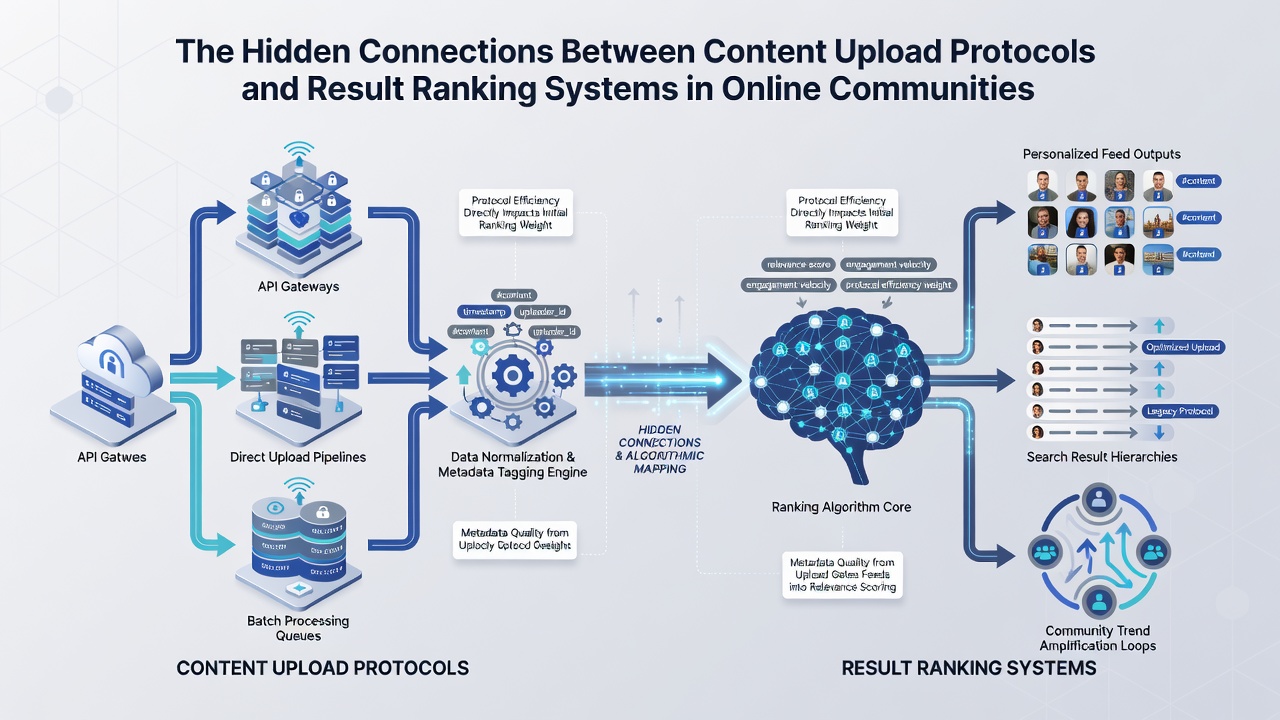
Researchers at various centers have identified patterns where protocol-mandated verification steps reduce the likelihood of content being deprioritized, and this occurs because ranking systems reference those same verification markers. What's interesting is how minor protocol variations, such as optional versus required fields, can shift ranking distributions in measurable ways according to aggregated platform data. People who've analyzed these interactions find that upload protocols essentially pre-sort content for ranking engines by embedding signals that algorithms later amplify or diminish.
Platform Implementation Examples
Multiple online communities demonstrate these connections through their operational choices, and reports indicate that gaming forums alongside general social networks apply similar protocol-to-ranking linkages. Take cases where enhanced upload protocols for high-resolution media lead to preferential treatment in video result rankings, as documented in analyses from trade groups focused on digital media standards. Those examining broader trends observe that regulatory guidance from bodies like Australia's eSafety Commissioner encourages platforms to align upload requirements with transparent ranking criteria to support user access.
Further examples appear in research papers examining North American platforms, where protocol updates have coincided with ranking model revisions that reward compliant submissions. This interplay allows platforms to manage content quality while maintaining efficient result delivery systems.
Implications for Platform Development
Developers of online community tools account for these connections when designing updates, because adjustments to upload protocols can produce cascading effects on ranking performance. Figures from industry reports show increased focus on protocol standardization to achieve more predictable ranking behaviors across diverse content types. As systems evolve, the integration of protocol data with ranking logic supports features like personalized feeds while adhering to established operational frameworks.
Conclusion
The relationships between content upload protocols and result ranking systems form a foundational aspect of how online community platforms function, with evidence indicating that structured submission processes supply critical data for visibility determinations. Ongoing developments through 2026 highlight continued refinement of these interconnections to support scalable and equitable content distribution across communities.