RSS Integration Bridges Blog Content and Photo Galleries Across Media Platforms
Klara Brooks · Jun 25, 2026
RSS Integration Bridges Blog Content and Photo Galleries Across Media Platforms
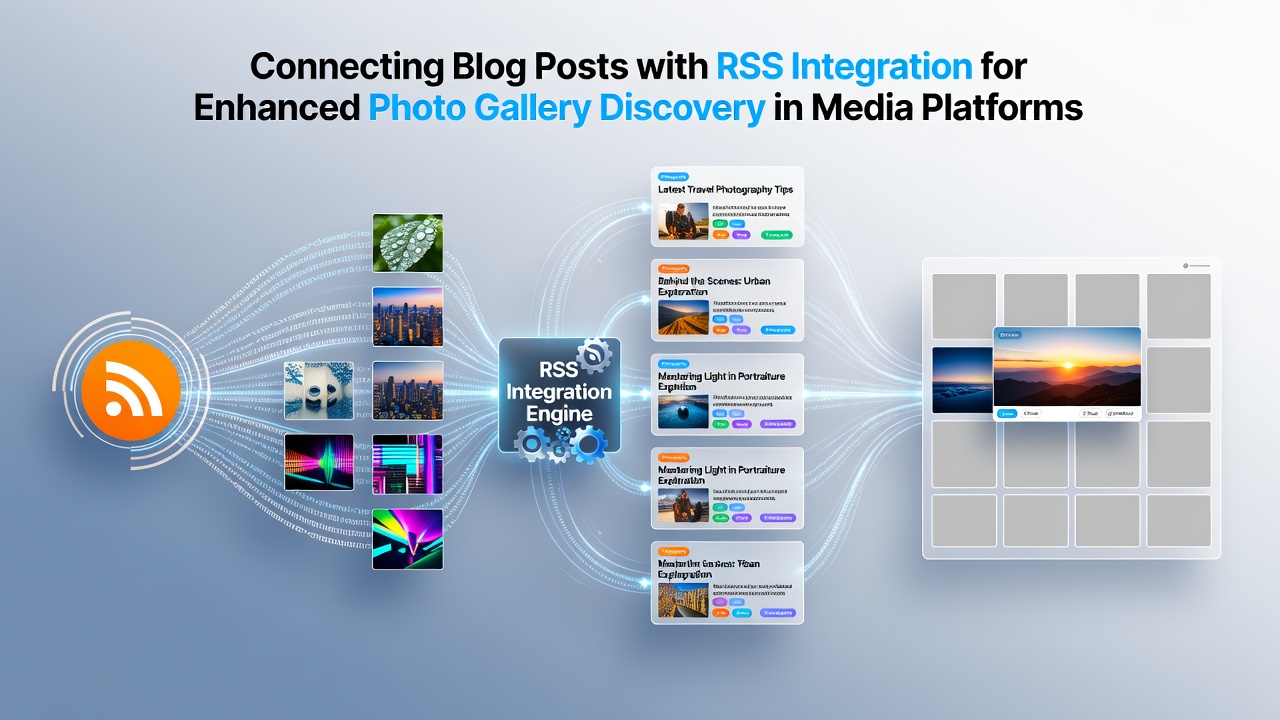
Media platforms have relied on RSS technology for years to distribute updates automatically, yet recent developments show how this same system now links blog posts directly to photo gallery sections for improved discovery. Developers integrate RSS channels so that each new blog entry triggers automatic references to associated image collections, allowing users to move from written content to visual media without separate searches. This connection works because RSS feeds carry structured metadata that includes image URLs, captions, and timestamps, which platforms parse to populate galleries dynamically.
Technical Foundations of RSS Links in Content Systems
Platforms configure RSS modules to embed photo references within feed items, using elements like enclosures and custom namespaces that point to gallery assets stored in the same database. When a blog post publishes, the RSS generator pulls thumbnail paths and alt text from the photo management system, then packages them into the feed XML. Observers note that this process runs through scheduled scripts or real-time webhooks, which keep the data synchronized across both text and visual sections. Data from industry reports indicates that platforms adopting these methods experience higher engagement rates on gallery pages, since readers arrive via blog links rather than through standalone navigation.
Implementation often starts with mapping blog categories to specific gallery folders. For instance, a post tagged under competitive gaming routes its RSS item to the corresponding fan art collection, while a strategy discussion post connects to screenshot archives. Administrators set these rules in the content management interface, where dropdown selectors assign feed behaviors without requiring manual code changes each time. Those who've studied these setups report that the mapping reduces duplicate uploads, because one image file serves both the blog illustration and the gallery entry.
Platform Examples and June 2026 Developments
Gaming media sites illustrate the approach clearly. On networks like GamingWorldTV, RSS channels pull from blog entries about recent tournaments and surface related photo sets featuring player moments and event setups. Users subscribed to the feed receive notifications that include both the article preview and direct gallery thumbnails, creating a seamless path from reading to viewing. In June 2026, several platforms plan to roll out enhanced RSS parsers that support higher-resolution image previews within feed readers, following standards updates from the World Wide Web Consortium. This change allows mobile apps to display crisp gallery samples directly in aggregated timelines.
Another case involves community-driven sites where contributors upload photos through the blog editor itself. teh system then generates an RSS item that references the new gallery while embedding the blog text as a caption source. Research from academic institutions such as the University of Melbourne's digital media lab shows that such integrated flows increase return visits, because visitors discover additional visuals tied to the same topic thread. Administrators track these patterns through dashboard analytics that log clicks from feed items to gallery pages.
Benefits for Discovery and User Navigation
Enhanced discovery occurs when RSS metadata includes structured tags that search engines and aggregators index alongside gallery images. A single feed item therefore surfaces in results for both textual queries and visual searches. Platforms achieve this by adding schema.org markup inside RSS descriptions, which references the photo gallery URL and its licensing details. Figures from the Australian Communications and Media Authority reveal that properly marked feeds contribute to better compliance with digital content guidelines, since metadata remains consistent across text and images.
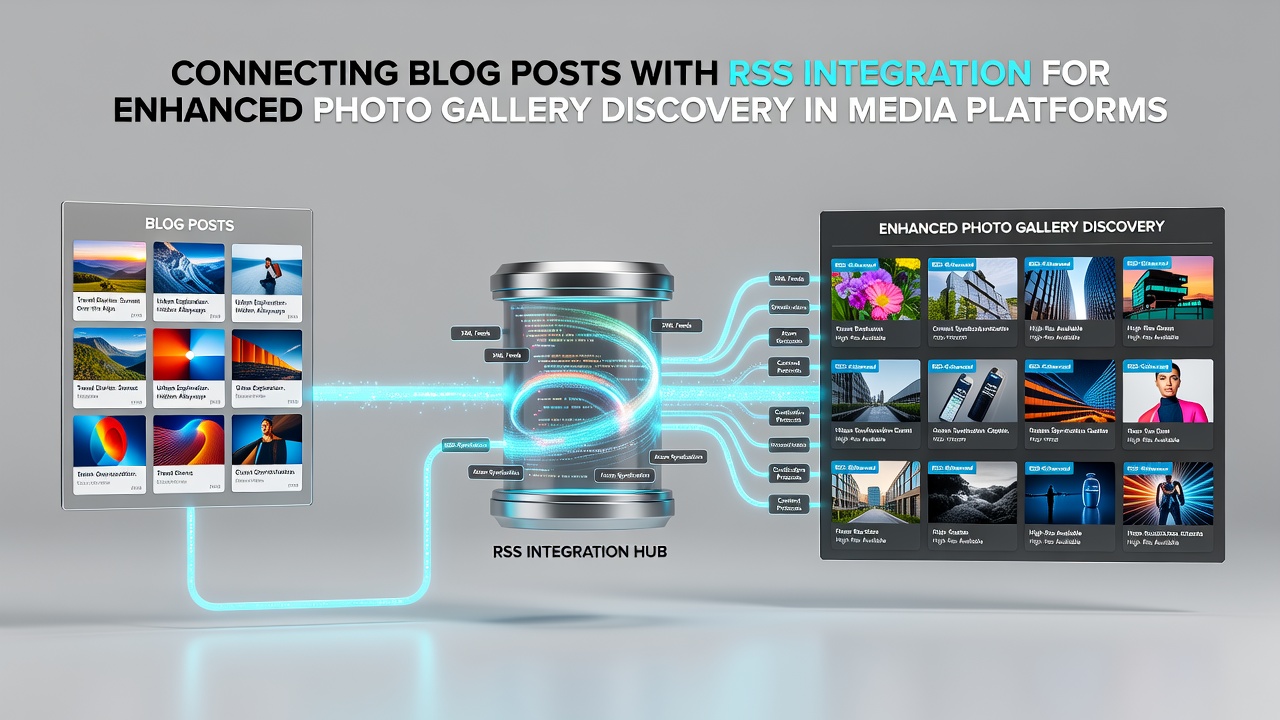
Navigation improves because readers no longer switch contexts manually. Instead, they click an RSS-linked image within a blog post and land directly in the filtered gallery view, where related images from the same series appear automatically. Developers achieve the filtering through parameters passed in the RSS enclosure links, which the gallery script uses to load matching sets. This method proves especially useful on sites handling large volumes of user-generated content, since it organizes photos without requiring separate tagging sessions after upload.
Maintenance and Scaling Considerations
Teams maintain these connections through version-controlled feed templates that update when gallery structures change. Regular audits compare RSS output against live gallery pages to catch broken image references early. Observers note that platforms handling thousands of daily uploads schedule these checks during low-traffic windows, minimizing impact on active users. Scaling involves load-balanced RSS endpoints that serve both web readers and API consumers, ensuring the same photo connections remain available whether accessed through a desktop aggregator or a mobile app.
Conclusion
RSS integration continues to evolve as a practical method for linking blog posts with photo galleries on media platforms, delivering structured connections that improve how audiences locate and explore visual content. Platforms that implement these feeds consistently demonstrate measurable improvements in cross-content navigation, supported by technical standards and ongoing platform updates scheduled through 2026.