Regulatory Structures Shaping Content Syndication and User Engagement in Digital Media Ecosystems
Klara Brooks · Aug 20, 2026
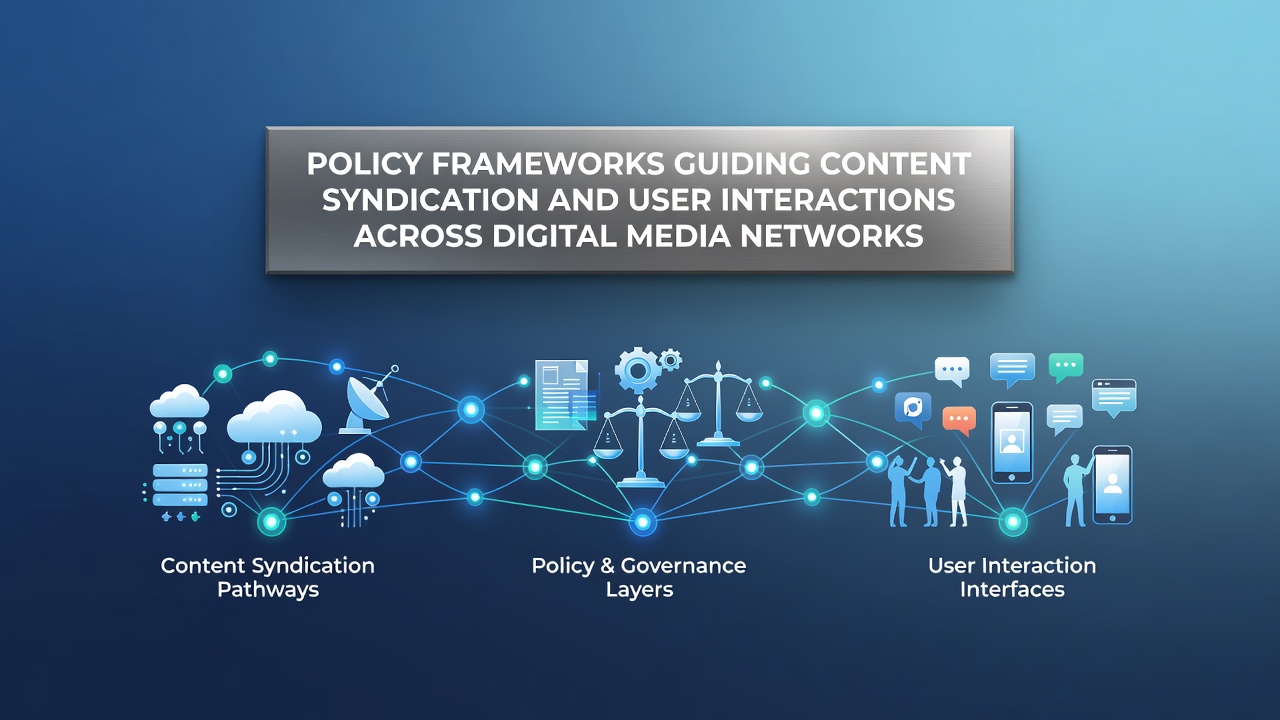
Regulatory Structures Shaping Content Syndication and User Engagement in Digital Media Ecosystems
Policy frameworks that guide content syndication and user interactions across digital media networks operate through layered regulations developed by governments, industry bodies, and platform operators, and these structures determine how material moves between sites while shaping the ways communities form and communicate. Researchers at institutions across multiple continents have documented how such rules evolved from early internet governance models in the 1990s into the complex systems observed today, with updates expected to take effect by August 2026 in several jurisdictions.
Core Components of Syndication Policies
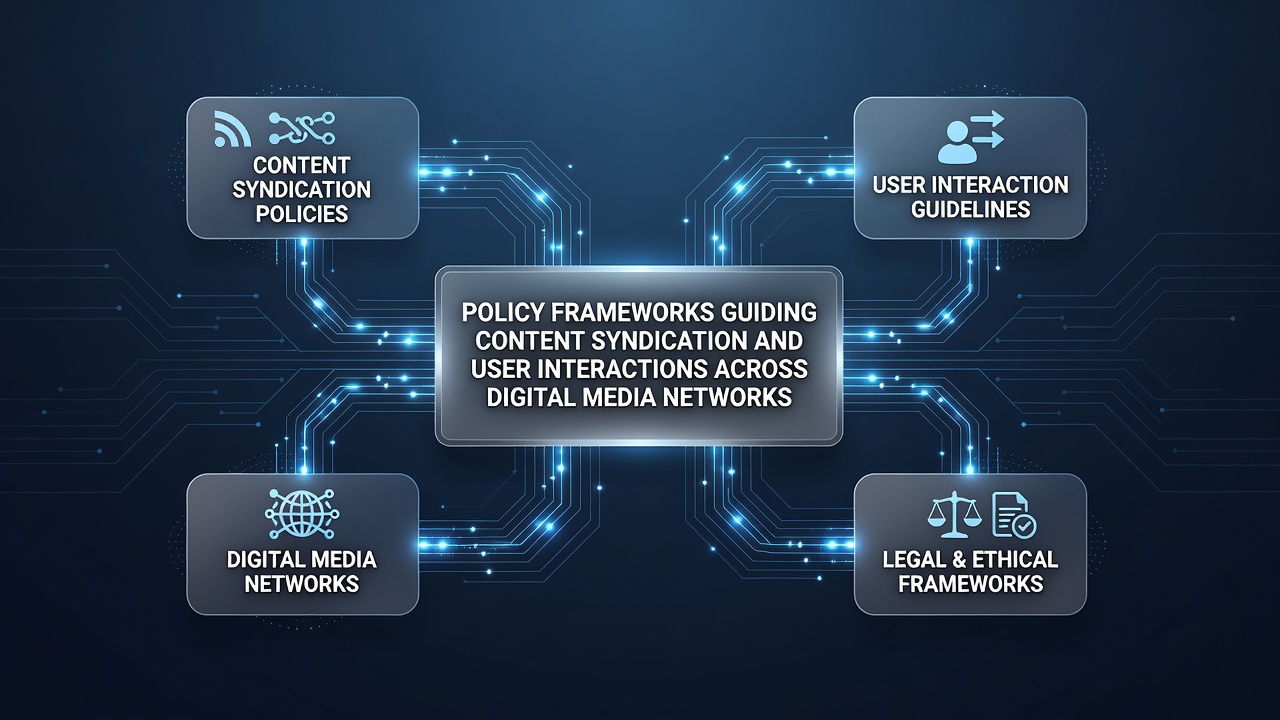
Content syndication policies typically address licensing agreements, attribution requirements, and distribution limits that prevent unauthorized republication, and they require platforms to maintain records of where material originates. According to data from the European Commission, the Digital Services Act introduced obligations for very large online platforms to conduct risk assessments on syndicated streams, which affects how gaming media networks handle video clips and galleries shared across borders. Observers note that similar provisions appear in Canada's Online News Act, which focuses on compensation mechanisms when news and entertainment content moves between aggregators and original publishers.
Those frameworks also incorporate technical standards for metadata tagging, and these tags allow automated systems to track usage rights while reducing disputes over ownership. Studies from Australian academic centers have shown that platforms adopting such tagging see fewer takedown requests when content travels through RSS channels or embedded feeds.
User Interaction Guidelines Across Platforms
Rules governing user interactions emphasize moderation standards, age-appropriate access controls, and transparency in algorithmic recommendations that determine what community members see in their feeds. Data from the U.S. Federal Trade Commission indicates that enforcement actions against platforms failing to disclose sponsored content rose sharply between 2023 and 2025, and comparable measures are under review in Singapore's Infocomm Media Development Authority guidelines. Experts have observed that these requirements extend to gaming communities where users upload screenshots, fan art, and live streams, because interactions often involve real-time chat features and shared leaderboards.
Platforms must also implement reporting tools that let participants flag violations without exposing personal details, and this approach aligns with research published by the University of Toronto's Citizen Lab on privacy-preserving moderation systems. When violations occur, operators apply graduated responses ranging from content removal to temporary account restrictions, and records show these methods maintain higher retention rates than immediate permanent bans in many documented cases.
Regional Variations and Emerging Standards
European regulations tend to prioritize user consent and data portability, whereas North American approaches place greater weight on intellectual property enforcement and intermediary liability protections, and Asian frameworks often combine both elements with additional emphasis on national security considerations. Figures released by the International Telecommunication Union reveal that cross-border content flows increased 47 percent from 2022 to 2025, which has prompted regulators to seek greater harmonization through bilateral agreements. One study from the National University of Singapore found that coordinated policies reduce latency in syndicated gaming highlights while preserving local content restrictions.
Industry associations such as the Entertainment Software Association have contributed voluntary codes that supplement government rules, and these codes address issues like loot box disclosures and in-game advertising transparency that affect how user-generated material spreads. Platforms operating multiple RSS channels must therefore reconcile global syndication rules with region-specific user interaction mandates.
Implementation Challenges and Monitoring Mechanisms
Enforcement relies on automated detection combined with human review teams, and this dual approach handles the volume of daily uploads on large networks. Reports from the Canadian Radio-television and Telecommunications Commission detail how audit requirements now include annual transparency reports that list moderation statistics and appeal outcomes. Those reports must cover both syndicated and original content, which creates additional documentation burdens for operators managing community spotlights and fan galleries.
Training programs for moderators have expanded accordingly, and organizations that invest in such programs report improved consistency when applying rules across different languages and cultural contexts. As August 2026 approaches, several jurisdictions plan to introduce machine-readable policy registries that would allow platforms to query applicable rules automatically before syndicating material.
Conclusion
Policy frameworks guiding content syndication and user interactions continue to develop through iterative updates that balance innovation with accountability, and stakeholders across government, academia, and industry contribute to their refinement. The structures in place influence how digital media networks distribute material and foster community participation, with measurable effects on compliance costs and user experience metrics documented in multiple independent analyses.