Regulatory Pressures on Collaborative Storytelling Within Gaming Media Networks
Viktor Coleman · Aug 25, 2026
Regulatory Pressures on Collaborative Storytelling Within Gaming Media Networks
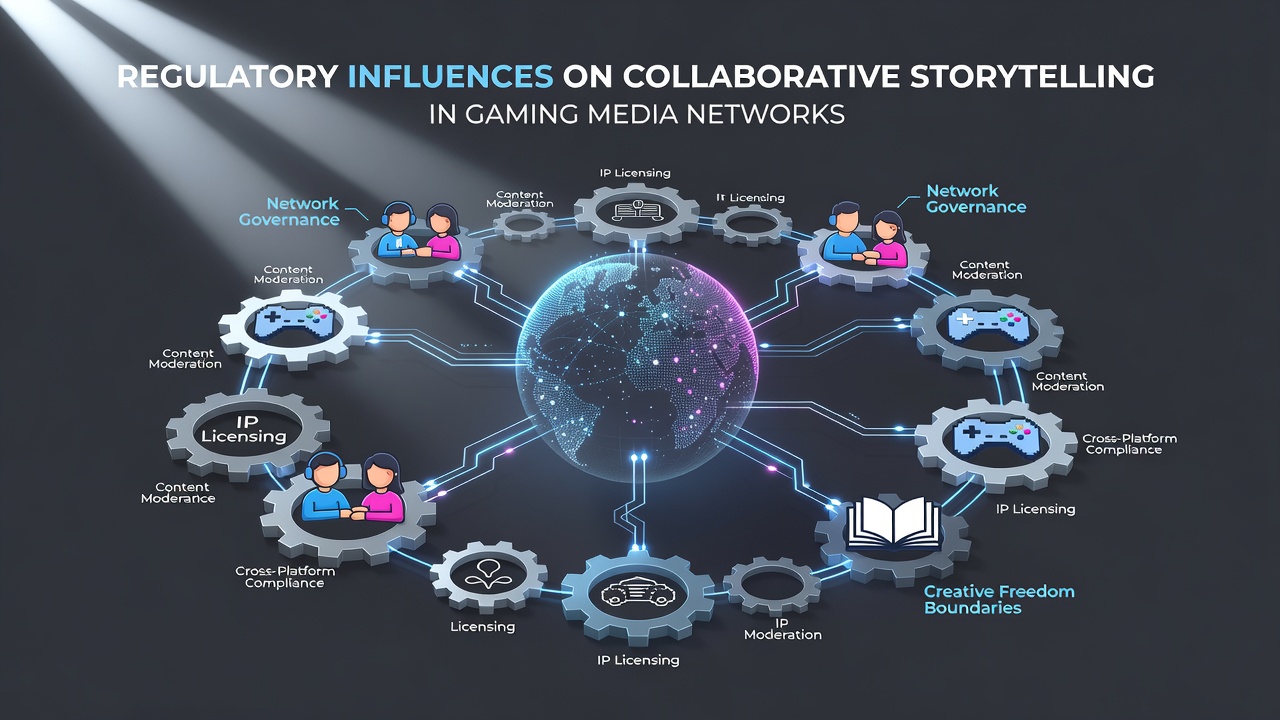
Regulatory frameworks across multiple jurisdictions continue to shape how participants build and share narratives in gaming media networks, where users contribute to ongoing stories through mods, live streams, and community forums. These rules cover intellectual property protections, data privacy standards, and content moderation requirements that directly affect creative collaboration. Observers note that such policies have grown more intricate since the early 2020s as platforms expanded user-driven content features.
Intellectual Property Rules and Narrative Ownership
Copyright statutes in the United States and the European Union establish boundaries around derivative works created within gaming environments, requiring creators to secure permissions before incorporating protected assets into shared storylines. The Entertainment Software Association has documented how these laws influence modding communities, where teams collaborate on expansive fan campaigns. Data from industry reports indicate that enforcement actions have prompted platforms to implement automated scanning tools, which in turn alter the pace at which collaborative plots develop.
Meanwhile, similar provisions in Canadian legislation require explicit licensing agreements for cross-border storytelling projects. Researchers have observed that these requirements lead gaming networks to adopt centralized consent systems, allowing participants to track ownership of contributed elements without halting narrative momentum.
Data Protection Standards Affecting User Contributions
Privacy regulations such as the California Consumer Privacy Act and the European Union's Digital Services Act impose obligations on platforms that host collaborative storytelling tools. These measures mandate clear disclosure of how user-generated dialogue and character data are stored and shared. Figures from regulatory filings reveal that compliance updates rolled out in 2025 forced several major networks to revise their data-handling protocols, resulting in streamlined consent flows for story contributors.
In Australia, the Privacy Act amendments have similarly required gaming media operators to limit cross-platform data transfers during joint storytelling sessions. Those who've studied platform responses note that such restrictions encourage localized servers, which help maintain continuity for regional narrative groups while satisfying oversight bodies.
Content Moderation Guidelines and Creative Boundaries
Platform liability provisions in the United States, including updates to Section 230 interpretations, place responsibility on networks to monitor shared story content for prohibited themes. The Federal Trade Commission has issued guidance on how these expectations apply to interactive media environments where multiple users co-author plots. Evidence from compliance reviews shows that automated filters now flag potential violations in real time, prompting storytellers to adjust character arcs mid-collaboration.
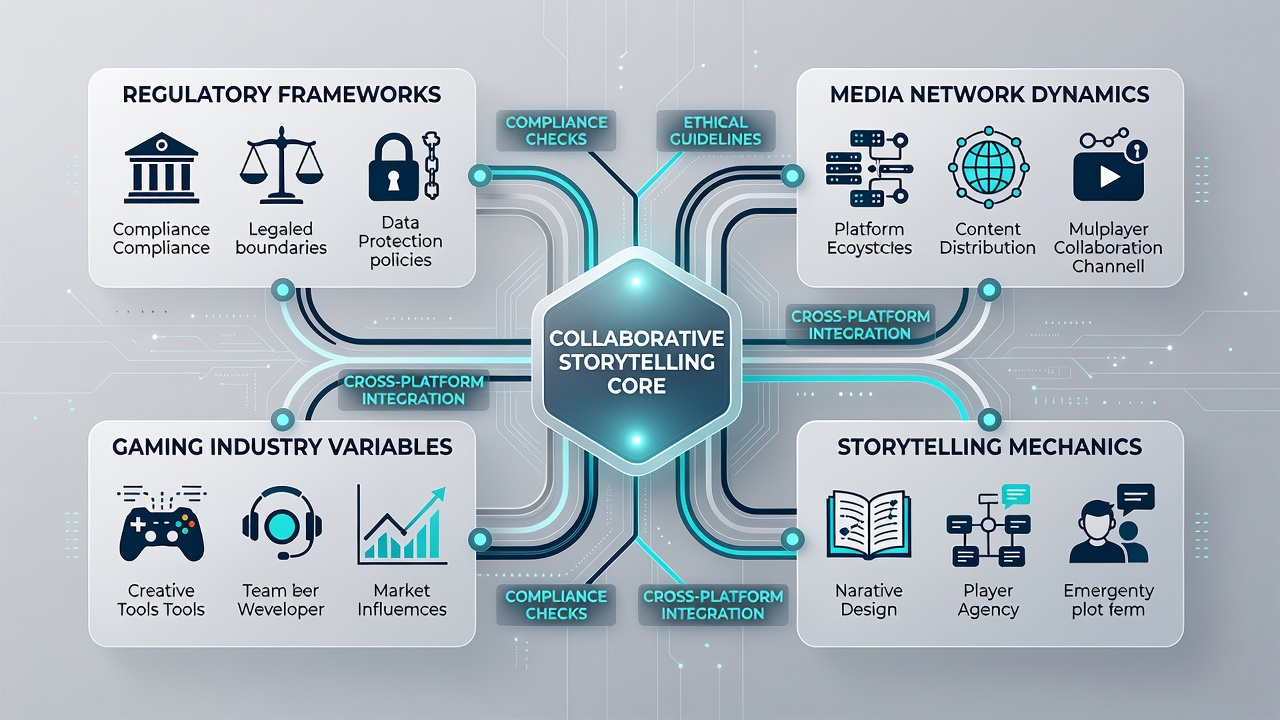
European regulators continue to refine the Audiovisual Media Services Directive, which extends oversight to user-driven gaming narratives that reach wide audiences. Studies conducted by academic institutions have tracked how these rules affect moderation teams, leading to standardized review processes that balance creative freedom with legal accountability. As of August 2026, several networks are scheduled to introduce enhanced reporting dashboards that allow contributors to appeal content decisions directly within the storytelling interface.
Emerging Trends in Cross-Border Compliance
International coordination efforts have produced model codes that gaming media networks reference when designing collaborative features. These codes address age-appropriate content tagging and require transparent labeling of narrative elements that contain user modifications. Data compiled by research organizations indicate steady growth in the adoption of such tagging systems, which help maintain consistent storytelling experiences across different regulatory zones.
Observers point out that companies operating global platforms often maintain dedicated legal teams to monitor legislative proposals in real time. This approach allows networks to update their collaborative tools before new rules take effect, preserving user engagement while meeting compliance deadlines.
Conclusion
Regulatory influences on collaborative storytelling in gaming media networks encompass intellectual property, privacy, and moderation requirements that evolve alongside platform capabilities. Organizations such as teh Entertainment Software Association and government agencies in multiple regions provide frameworks that shape how these creative processes unfold. Continued monitoring of policy developments will determine how networks adapt their tools to support ongoing user contributions without compromising legal standards.