Regulatory Dynamics Affecting Syndicated Gaming Imagery and Community Input Mechanisms
Viktor Coleman · Jun 11, 2026
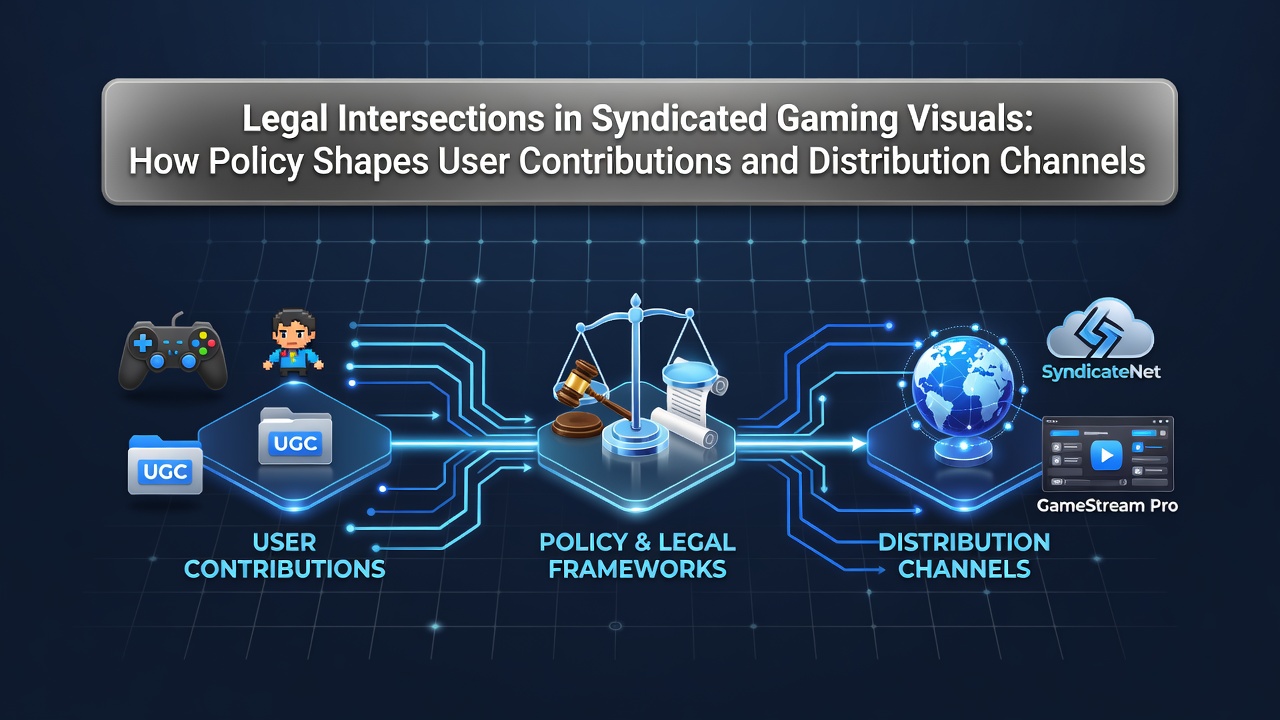
Regulatory Dynamics Affecting Syndicated Gaming Imagery and Community Input Mechanisms
Policy frameworks establish clear boundaries for how gaming visuals move through syndicated channels while determining what users may contribute to shared platforms. Observers note that copyright statutes, licensing requirements, and digital distribution rules intersect at multiple points where creators upload content or platforms syndicate media feeds. Data from industry reports indicates these intersections have grown more complex since platforms expanded user participation features in recent years.Copyright Protections and Visual Content Boundaries
Copyright law sets primary limits on gaming visuals that circulate through syndication. Researchers at academic institutions have documented how fair use doctrines apply differently when users remix screenshots or stream clips for commentary purposes. In practice, platforms enforce these rules through automated detection systems that flag potential infringements before distribution occurs.
Studies reveal that many jurisdictions require explicit licensing agreements for visuals originating from commercial game titles. Those who manage distribution channels must verify that user contributions include proper clearances, especially when content crosses regional borders. Evidence suggests violations lead to swift removal actions rather than prolonged disputes in most documented cases.
User Agreements and Contribution Guidelines
Platform terms shape what users actually submit to syndicated gaming spaces. Agreements typically specify ownership retention for contributors while granting syndication rights to the hosting service. Experts have observed that these clauses directly influence participation rates, as contributors weigh personal control against wider exposure opportunities.
Regulatory updates scheduled for implementation in June 2026 will require additional transparency in how user agreements handle derivative works. Government agencies across multiple regions have signaled intent to standardize disclosure practices around content licensing. This development affects how distribution channels process incoming submissions from community members.
Distribution Channel Compliance Requirements
Channels that syndicate gaming visuals must navigate varying international standards for content moderation and intellectual property. The Entertainment Software Association tracks how member companies adapt syndication practices to meet these demands while maintaining user engagement levels. Figures show increased investment in compliance teams at major platforms over the past three years.
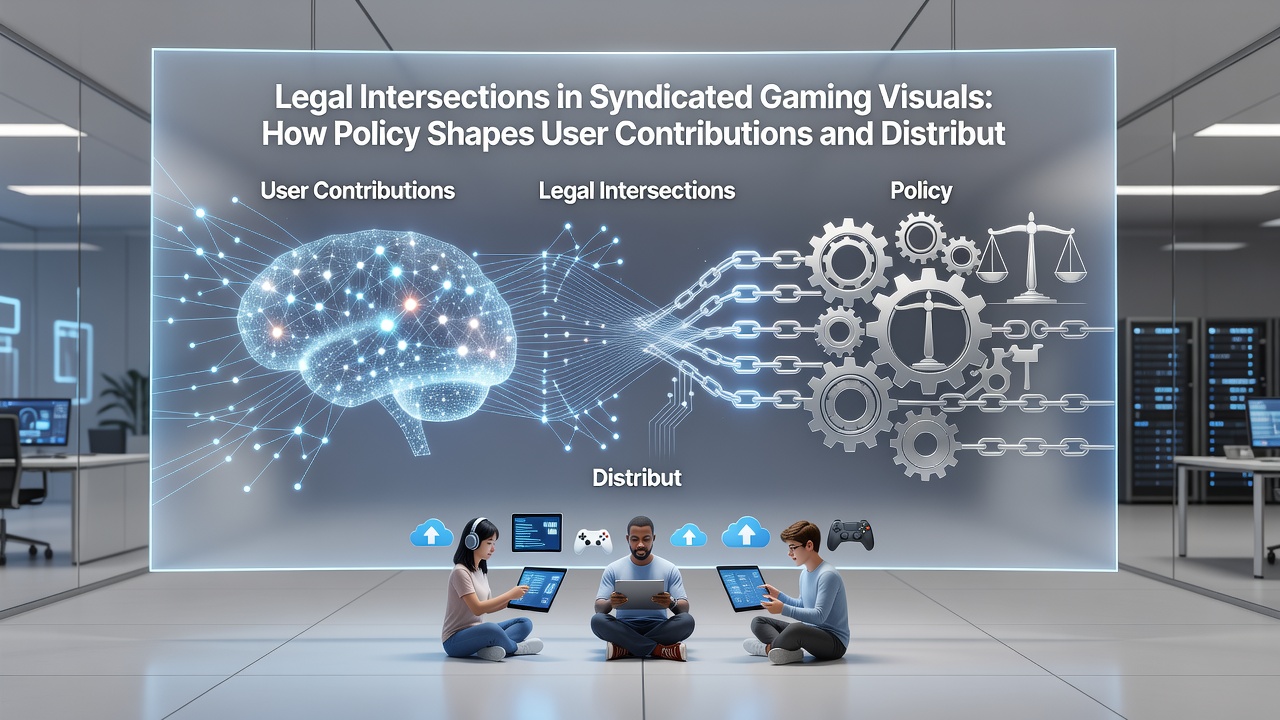
European Commission guidelines on digital services provide one framework that platforms reference when structuring contribution workflows. Canadian regulatory bodies have introduced parallel measures focused on user-generated media verification processes. These approaches differ in enforcement mechanisms yet converge on requirements for clear attribution and removal procedures.
Regional Variations in Policy Application
Australian authorities emphasize consumer protection elements within gaming media policies, which affects how distribution channels label syndicated content. Research institutions in North America have compared these rules against US copyright office interpretations, finding notable differences in how transformative uses receive protection. Platforms operating globally adjust their contribution interfaces accordingly to satisfy multiple regulatory environments simultaneously.
Trade organizations document cases where policy changes prompted rapid updates to upload protocols. Contributors often discover through trial that certain visual formats face stricter review when routed through international syndication paths. Such patterns demonstrate the practical impact of layered legal requirements on everyday platform activity.
Conclusion
Legal structures continue to define the operational space for syndicated gaming visuals and the contributions that feed them. Observers expect ongoing refinements as new regulatory timelines approach, particularly around June 2026 implementations. Platforms and users alike operate within these established parameters, where compliance determines both participation scope and distribution reach.