Regulatory Architectures Shaping User-Generated Stories and Query Integration in Multimedia Platforms
Klara Brooks · Jun 28, 2026
Regulatory Architectures Shaping User-Generated Stories and Query Integration in Multimedia Platforms
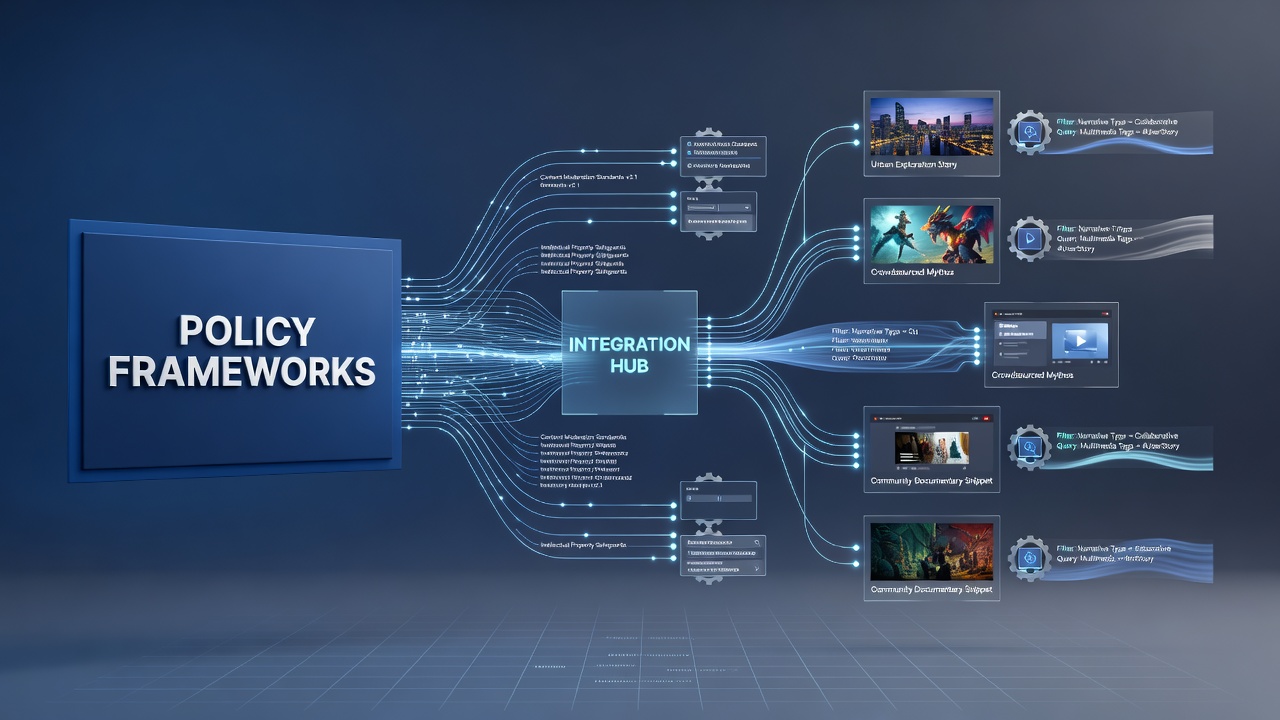
Policy frameworks that govern user-created narratives establish boundaries for content generation while they support seamless connections to query systems in multimedia sharing environments, and these structures draw from international standards that evolved through collaborative efforts among regulators and platforms since the early 2020s. Researchers at institutions across North America and Europe have documented how such rules address ownership, moderation, and accessibility, whereas data from industry reports shows platforms must balance creative freedom with protections against misuse.
Core Elements of Governance Models
Frameworks typically outline requirements for narrative creation that include attribution protocols, consent mechanisms for collaborative works, and restrictions on harmful themes, yet they also mandate integration points where query systems can retrieve and index user content without compromising privacy safeguards. Observers note that the European Union's Digital Services Act, updated through ongoing amendments, requires platforms to maintain transparent query interfaces that flag moderated narratives, and similar provisions appear in Canada's Online Harms framework which took effect in phases through 2025. These models emphasize machine-readable metadata that query engines use to surface compliant content while filtering restricted items.
Industry organizations such as the Interactive Software Federation of Europe have contributed guidelines that help align these policies with technical standards, and evidence from their 2024 assessments indicates that platforms adopting unified query protocols experience fewer disputes over narrative ownership. Take one developer collective that implemented automated tagging systems; their approach allowed query searches to return user stories with embedded licensing details, reducing conflicts reported to oversight bodies.
Technical Integration of Query Systems
Query systems in multimedia environments process natural language requests and metadata filters to deliver user narratives, but policy rules dictate how these systems handle dynamic content updates and cross-platform linkages. According to studies from the Australian eSafety Commissioner, effective integration relies on APIs that enforce real-time compliance checks, ensuring that queries do not expose narratives flagged for review. Data indicates that by mid-2026 new interoperability mandates will require platforms to adopt standardized query schemas, allowing seamless retrieval across regional boundaries while preserving jurisdictional differences in content rules.
What's notable is how these systems incorporate audit trails; every query that accesses user-created material logs the requester's credentials and purpose, which supports accountability measures outlined in various national digital charters. Experts have observed that such logging prevents unauthorized scraping yet permits legitimate research queries, and one academic project at a Canadian university demonstrated improved accuracy in narrative indexing after adopting these protocols.
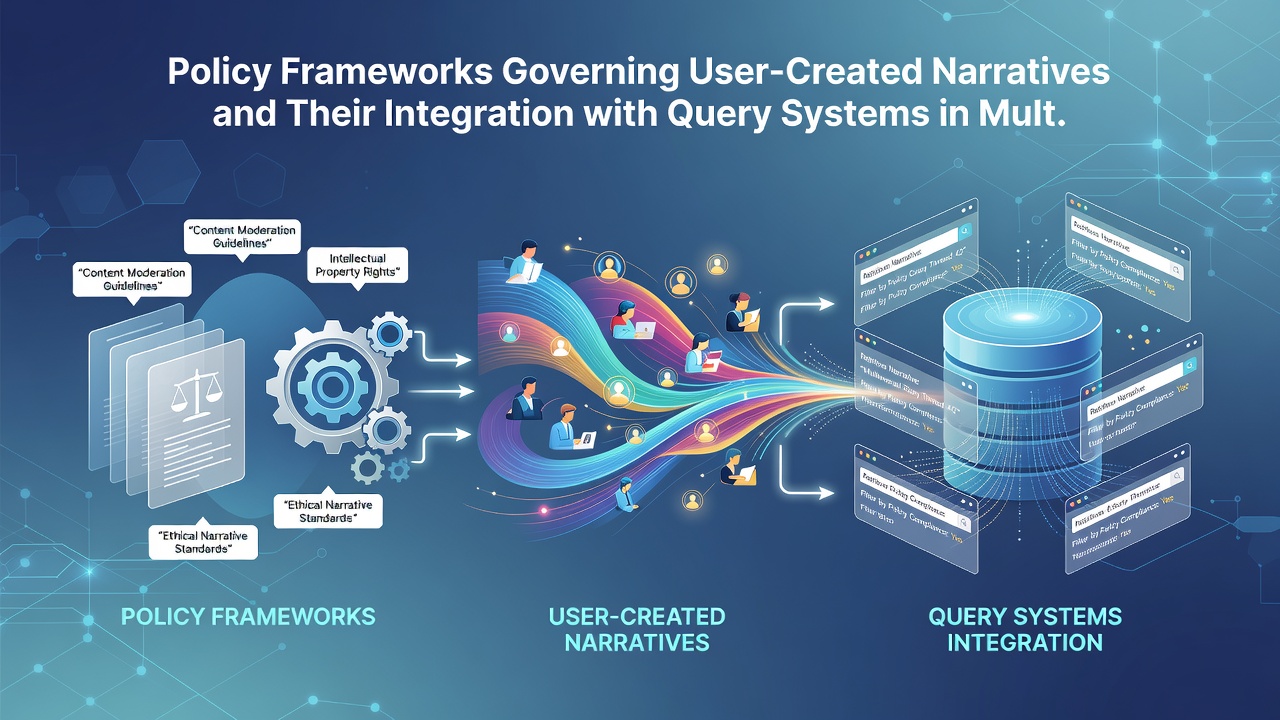
Platforms must also address scalability when user narratives grow in volume, and research indicates that query optimization techniques tied to policy tags help maintain performance without violating storage or access limits. Those who've examined deployment logs find that hybrid models combining on-premise filters with cloud-based indexing deliver the most reliable results under current regulatory expectations.
Regional Variations and Emerging Standards
Different regions apply distinct emphases within their frameworks; for instance, Asia-Pacific trade agreements promote shared query standards that facilitate narrative exchange among member states, whereas North American approaches prioritize individual platform discretion balanced by federal reporting requirements. Figures from the Organisation for Economic Co-operation and Development reveal that countries adopting unified query governance see faster resolution of cross-border disputes involving user stories. In June 2026 several pilot programs will test enhanced query verification layers designed to verify narrative authenticity before indexing occurs, and these initiatives build on earlier trials that reduced misinformation spread through multimedia channels.
Academic sources highlight case studies where integration challenges arose from legacy query architectures, yet updates incorporating policy-aware algorithms resolved most bottlenecks. People managing large multimedia repositories often discover that embedding narrative metadata at the creation stage simplifies later query compliance, and this practice aligns with recommendations from global standards bodies.
Conclusion
Policy frameworks continue to evolve alongside query technologies, creating structured environments where user-created narratives remain accessible and protected within multimedia sharing spaces. Evidence from regulatory updates and technical implementations shows consistent progress toward balanced systems that support creativity while enforcing accountability across jurisdictions.