Mapping Content Pathways in Gaming Media: The Full Cycle from Posting to Community Response
Morgan Brooks · Jul 7, 2026
Mapping Content Pathways in Gaming Media: The Full Cycle from Posting to Community Response
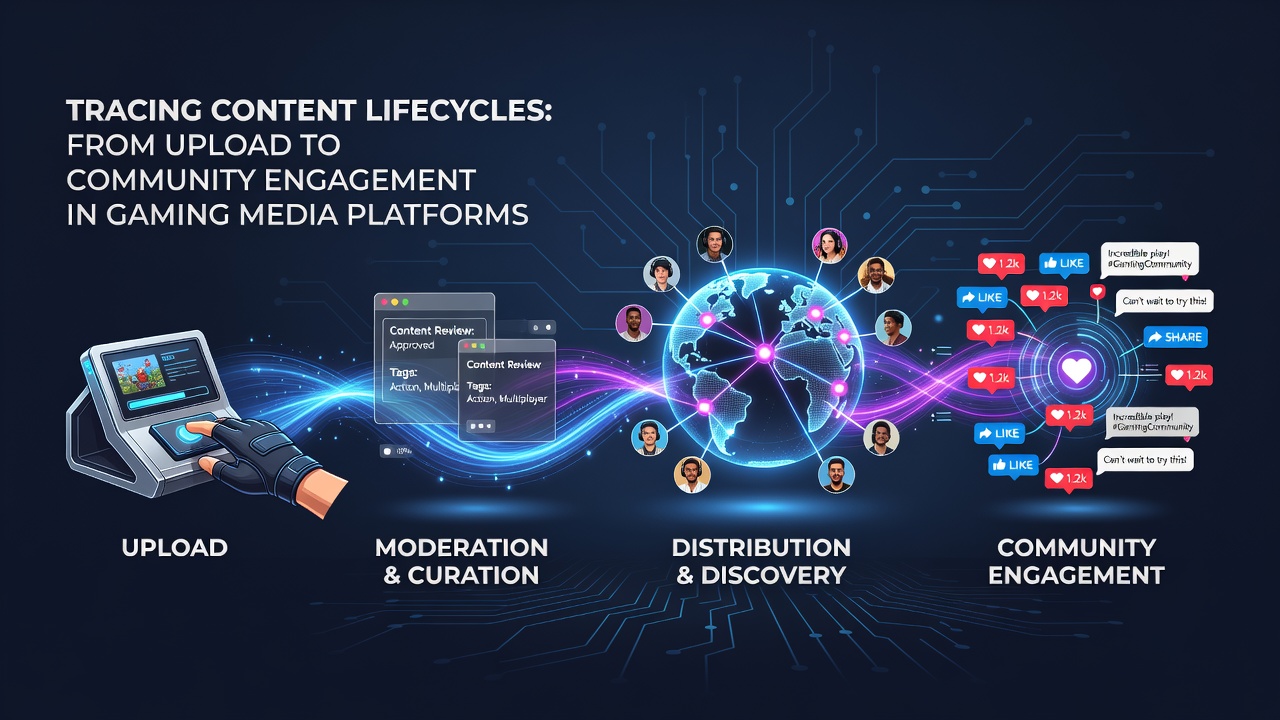
Content on gaming media platforms follows a defined sequence that begins with the moment a creator submits material and extends through various stages of processing, visibility, and interaction until the item reaches archival status or renewed cycles of activity, and researchers have documented these patterns across multiple services since the early 2010s.
Initial Submission and Platform Intake
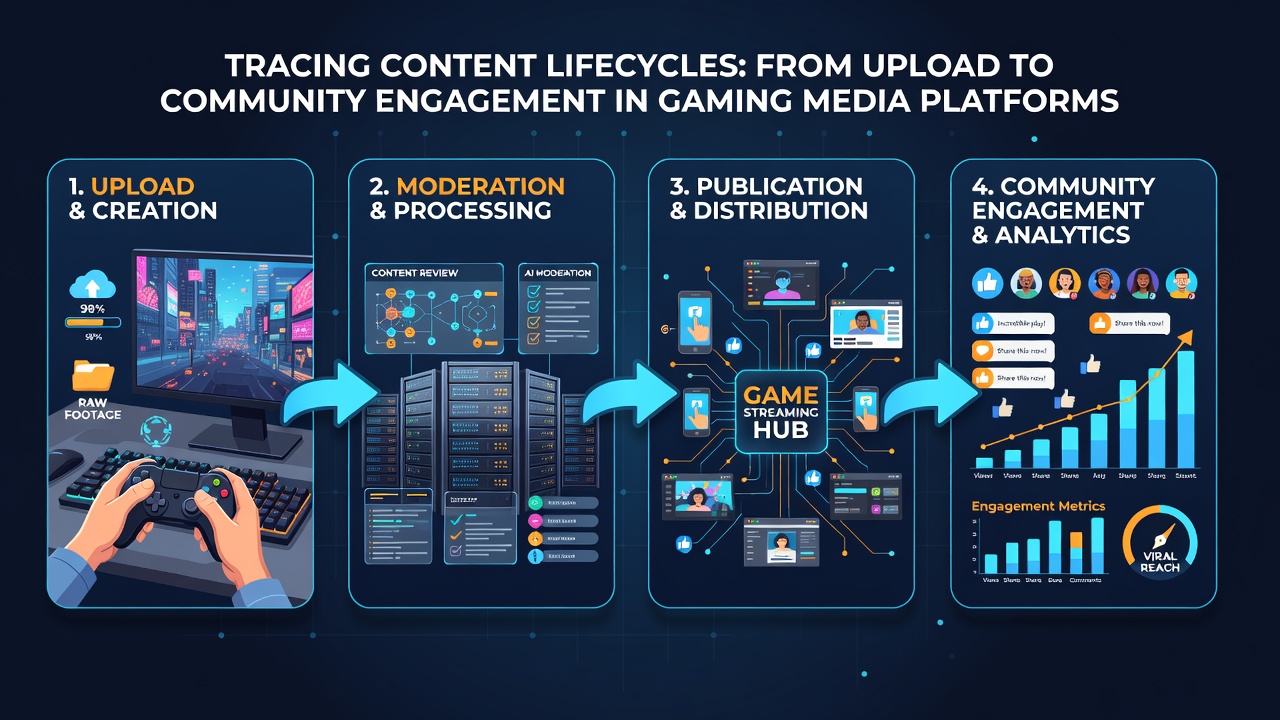
Creators initiate the process by uploading videos, images, or live streams through dedicated interfaces that require account verification, file format compliance, and metadata entry such as titles, descriptions, and tags, while automated systems immediately scan submissions for technical integrity and basic policy alignment. Data from industry reports indicate that upload volumes peak during evening hours in major time zones, with platforms handling thousands of new gaming clips each minute during high-traffic periods.
Once received, files undergo transcoding into multiple resolutions and formats to support different devices and connection speeds, a step that typically completes within minutes for standard clips but extends longer for high-resolution or 4K content. Metadata gets indexed simultaneously, allowing search functions to surface material quickly after processing finishes.
Distribution Mechanisms and Visibility Algorithms
Following intake, recommendation engines evaluate new uploads against user behavior data including watch history, subscription patterns, and engagement signals from similar content, and these systems determine initial placement in feeds, discovery sections, or related video carousels. Observers note that early visibility often depends on factors like upload timing relative to major game releases or tournament events, which can amplify reach for timely material.
Platforms also route content through category-specific channels and RSS-style feeds that aggregate updates for subscribers, while cross-promotion features may highlight items in community hubs or partner sites. In July 2026, several major services introduced updated ranking models that incorporate longer-term retention metrics rather than relying solely on immediate click rates, according to announcements from platform developers.
Community Interaction and Feedback Loops
Once visible, content enters phases of active community response where viewers leave comments, share clips externally, create derivative works, or participate in live discussions tied to the original post. Engagement data accumulates in real time, feeding back into algorithmic adjustments that can either sustain or reduce further distribution depending on interaction quality and volume.
Studies from academic institutions show that gaming content tends to generate higher comment density compared with other entertainment categories, particularly when creators respond directly to audience input or host follow-up streams. Moderation teams and automated filters review reports during this period, removing or restricting items that violate guidelines while preserving the majority that align with platform standards.
External links sometimes accelerate spread, yet internal platform tools such as reaction buttons, clip tools, and collaboration invites keep most activity contained within the ecosystem. Figures from the Entertainment Software Association reveal that user-generated gaming videos accounted for a substantial share of total platform traffic in recent years, underscoring the role these interactions play in sustaining overall activity levels.
Analytics, Monetization Triggers, and Performance Tracking
Throughout the active phase, creators and platform operators monitor detailed analytics covering view counts, average watch duration, demographic breakdowns, and traffic sources. These metrics influence eligibility for revenue-sharing programs, featured placement opportunities, and creator fund distributions once thresholds are met. Performance tracking continues even after initial peaks subside, informing decisions about promotional boosts or archival handling.
Regulatory frameworks in various regions require platforms to maintain transparent reporting on content performance and moderation outcomes, with the Australian eSafety Commissioner publishing periodic summaries that include data on gaming-related material handling across services operating in that market. Such disclosures provide researchers with broader context on how lifecycle stages intersect with compliance requirements.
Archival Status, Renewal Opportunities, and Long-Term Outcomes
Eventually most items transition to lower-visibility states where they remain accessible through direct links or searches but receive reduced algorithmic promotion unless new engagement occurs. Creators may reactivate older content by linking it to fresh uploads, participating in platform challenges, or leveraging seasonal events that prompt renewed interest. In some cases content achieves extended lifecycles through community remixes or inclusion in highlight compilations that introduce it to new audiences years after the original upload.
Platform policies determine final retention periods, with many services preserving material indefinitely unless removed for violations or at creator request. Data indicates that a small percentage of gaming uploads continue generating meaningful interactions long after upload, often due to evergreen appeal tied to classic titles or instructional value.
Conclusion
The progression from upload through distribution, engagement, and archival illustrates how gaming media platforms manage high volumes of material while supporting creator-audience connections. Each stage incorporates technical, algorithmic, and human elements that together shape outcomes, and ongoing developments in ranking systems plus regulatory oversight continue to influence these pathways across global services.