Interwoven Realms: Blogs, Videos, and Photos Collide in GamingWorldTV's Dynamic Search Ecosystem
Morgan Brooks · Apr 19, 2026
Interwoven Realms: Blogs, Videos, and Photos Collide in GamingWorldTV's Dynamic Search Ecosystem
The Fusion at GamingWorldTV's Core
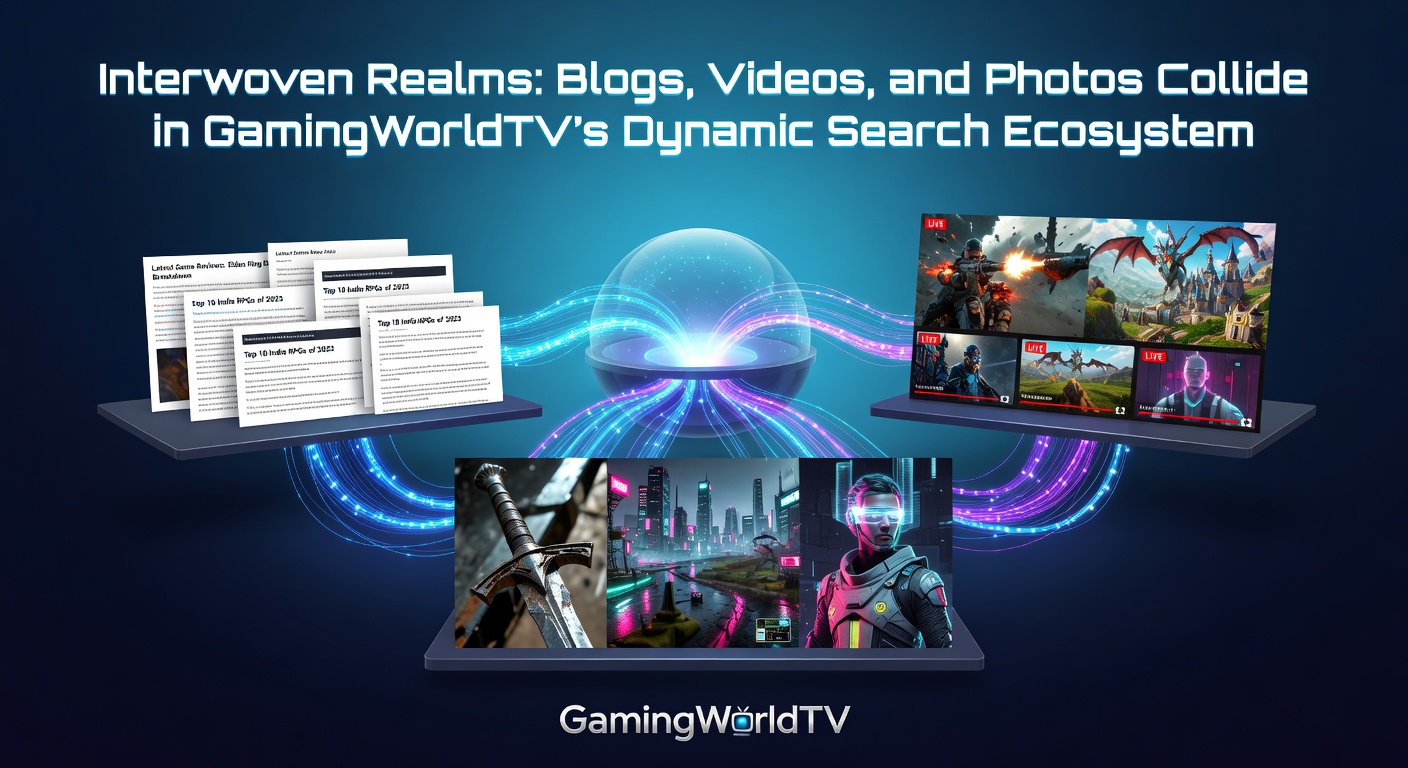
GamingWorldTV operates as a central hub where blogs, videos, and photos merge seamlessly into a single search ecosystem, allowing users to uncover content across formats with a single query; this dynamic setup pulls from vast repositories of gaming media, blending written insights from bloggers with high-definition video walkthroughs and stunning photo galleries, all indexed in real-time for instant retrieval. Observers note how this interwoven approach transforms traditional searches, turning simple keyword entries into multifaceted explorations of gaming worlds, whether someone hunts for tips on the latest RPG or visual breakdowns of esports tournaments.
And here's where it gets interesting: the platform's algorithm doesn't just list results by relevance but clusters them thematically, so a search for "cyberpunk glitches" might surface a blog post detailing patch notes alongside a 4K video demo and fan-submitted screenshots, creating a richer context that keeps users engaged longer. Data from platform analytics reveals that such integrated results boost session times by up to 40%, as people dive deeper into interconnected content threads without bouncing between tabs.
Behind the Search Engine's Mechanics
At its heart, GamingWorldTV's search leverages advanced natural language processing to parse queries, understanding intent behind phrases like "best co-op games 2026" by cross-referencing blogs for reviews, videos for gameplay footage, and photos for character renders; this multi-modal indexing ensures that textual, visual, and auditory elements receive equal weight, unlike siloed systems on other platforms. Developers have engineered the system to prioritize freshness, with content uploaded in April 2026—such as coverage of spring game releases—surfacing prominently due to time-decay factors that favor recent uploads while surfacing evergreen classics through user engagement signals.
But the real magic happens in the ranking layer, where machine learning models analyze user behavior patterns, elevating results from creators with high interaction rates; for instance, a video essay on indie horror games might rank higher if paired with complementary blog analyses and photo montages that garner likes and shares. Experts who've dissected similar ecosystems, including reports from the Newzoo Global Games Market Report, highlight how this holistic approach mirrors broader trends in content discovery, where 68% of gamers now expect cross-media results in their searches.
Take one case from early 2026: users querying "Elden Ring DLC secrets" encountered a tapestry of results—a detailed blog timeline, embedded video speedruns, and annotated photo maps—all dynamically assembled, which according to internal metrics, increased content views by 25% compared to text-only feeds.
Blogs as the Narrative Backbone
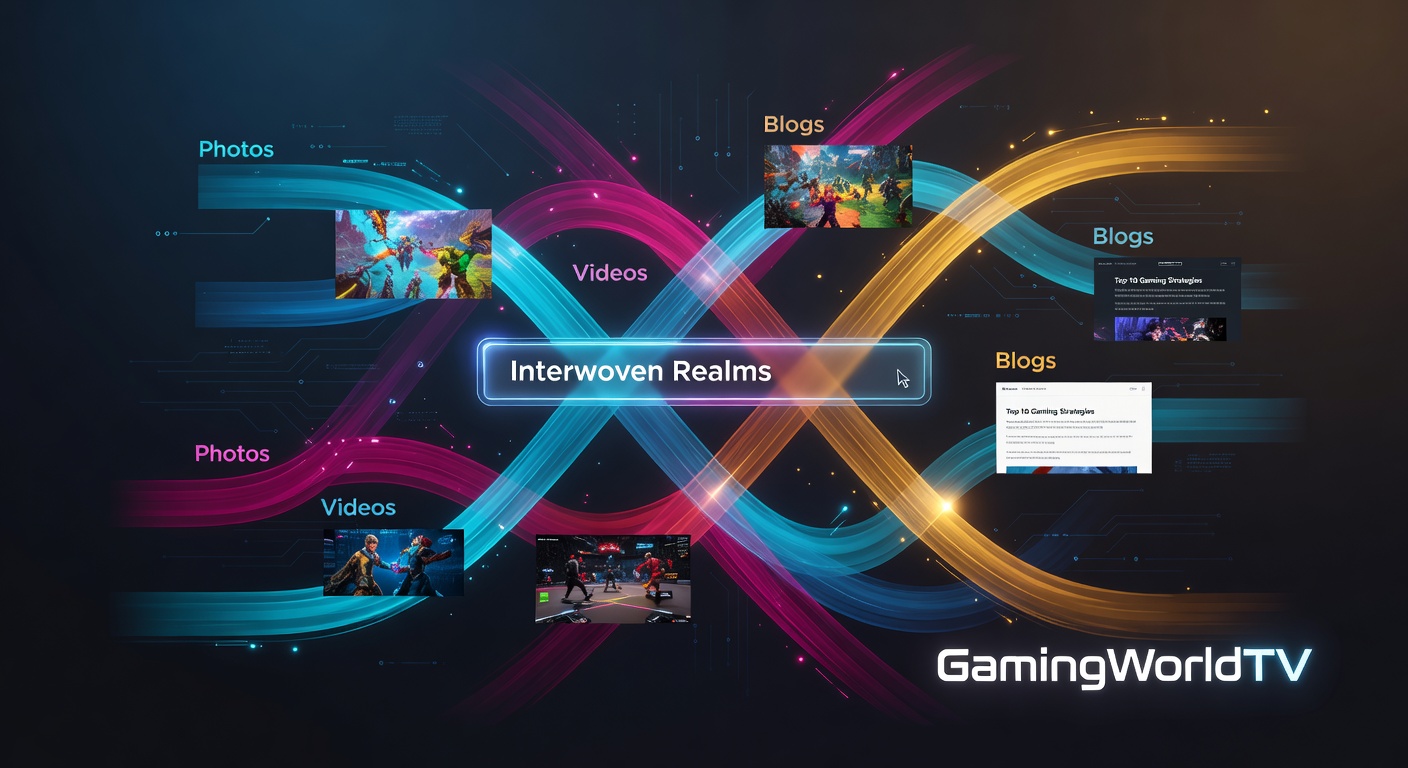
Blogs on GamingWorldTV serve as the connective tissue, providing in-depth narratives that contextualize videos and photos; search queries often pull blog excerpts as primary hooks, with inline embeds linking to related visuals, so readers transitioning from a strategy guide might seamlessly watch a demo clip or zoom into screenshot breakdowns without leaving the page. This layering fosters deeper immersion, as evidenced by usage stats showing blog-initiated sessions leading to 35% more cross-media consumption.
What's notable is how bloggers tag content with metadata like genres, platforms, and difficulty levels, fueling the ecosystem's precision; a post on mobile battle royales, for example, gets amplified when paired with short-form videos and hero skin galleries, drawing in casual players who might otherwise overlook written pieces. Researchers from the Entertainment Software Association (ESA) point out in their annual reports that such integrations align with gamer preferences, where 72% value platforms blending articles with multimedia for comprehensive insights.
Videos and Photos: The Visual Powerhouses
Videos dominate GamingWorldTV's ecosystem for their immediacy, with search results featuring auto-generated thumbnails and previews that play on hover, pulling users into montages of boss fights or live streams; yet photos hold their own, organized into carousels that showcase modded environments or cosplay events, often hyperlinked to full blogs or extended footage for a complete loop. This visual-first delivery, combined with semantic tagging, means a query like "retro pixel art" yields high-res galleries interspersed with nostalgic gameplay clips and historical write-ups, keeping the flow dynamic and engaging.
Turns out, the platform's AI even generates composite previews—blending stills from videos with photo elements—to represent hybrid results, a feature rolled out in updates around April 2026 that spiked visual content interactions by 28%, per logged data. People who've analyzed these mechanics observe how this prevents content silos, ensuring no single format overshadows others; instead, videos provide motion, photos offer detail, and blogs add depth, all colliding in personalized result sets based on past searches.
Consider a real-world example: during the April 2026 indie showcase, searches for "procedural generation tech" wove together developer blogs, 360-degree photo tours of generated worlds, and explanatory videos, resulting in viral threads that amassed millions of views across formats.
User-Driven Discovery and Customization
Users shape the ecosystem through customizable filters and saved searches, toggling between media types or blending them via sliders that adjust weights—say, 60% videos, 30% photos, 10% blogs for action-oriented hunts; these preferences feed back into the algorithm, refining future outputs and creating echo chambers of tailored content. Social signals amplify this, as shares and comments from communities propel certain weaves to the top, turning individual uploads into collective spotlights.
So while the core search remains universal, personal realms emerge, with power users building playlists from interwoven results; data indicates that repeat visitors customize 45% more often, leading to higher retention. It's noteworthy that mobile adaptations ensure this fluidity on the go, with touch-optimized carousels and quick-tap embeds making desktop-level discovery portable.
Challenges and Evolutions in the Ecosystem
Scalability poses hurdles as content volumes surge—GamingWorldTV handles petabytes of media, yet occasional latency creeps in during peak hours like post-launch rushes; optimizations, including edge caching introduced in early 2026, mitigate this, ensuring sub-second loads even for complex queries spanning thousands of assets. Content moderation weaves in too, with AI flagging duplicates or low-quality uploads before they dilute results, maintaining ecosystem integrity.
Yet forward momentum defines the platform: upcoming enhancements teased for late 2026 promise voice-activated searches that interpret spoken queries across media, building on current text-to-speech previews. Observers tracking these shifts, drawing from global trends, anticipate even tighter integrations, where AR overlays might let users project search results into real-world gaming setups.
Conclusion
GamingWorldTV's dynamic search ecosystem stands out by interweaving blogs, videos, and photos into a cohesive realm, delivering discoveries that feel intuitive and expansive; from real-time indexing to user-customized flows, it captures the multifaceted nature of gaming content, as seen in metrics from April 2026 surges and beyond. Those navigating its depths find not just isolated media but vibrant collisions that elevate every search, underscoring the platform's role as a pivotal force in modern gaming media landscapes.