Integrating Archived Blog Content with Adaptive RSS Channels to Improve Video Discovery in Online Gaming Communities
Morgan Brooks · Aug 27, 2026
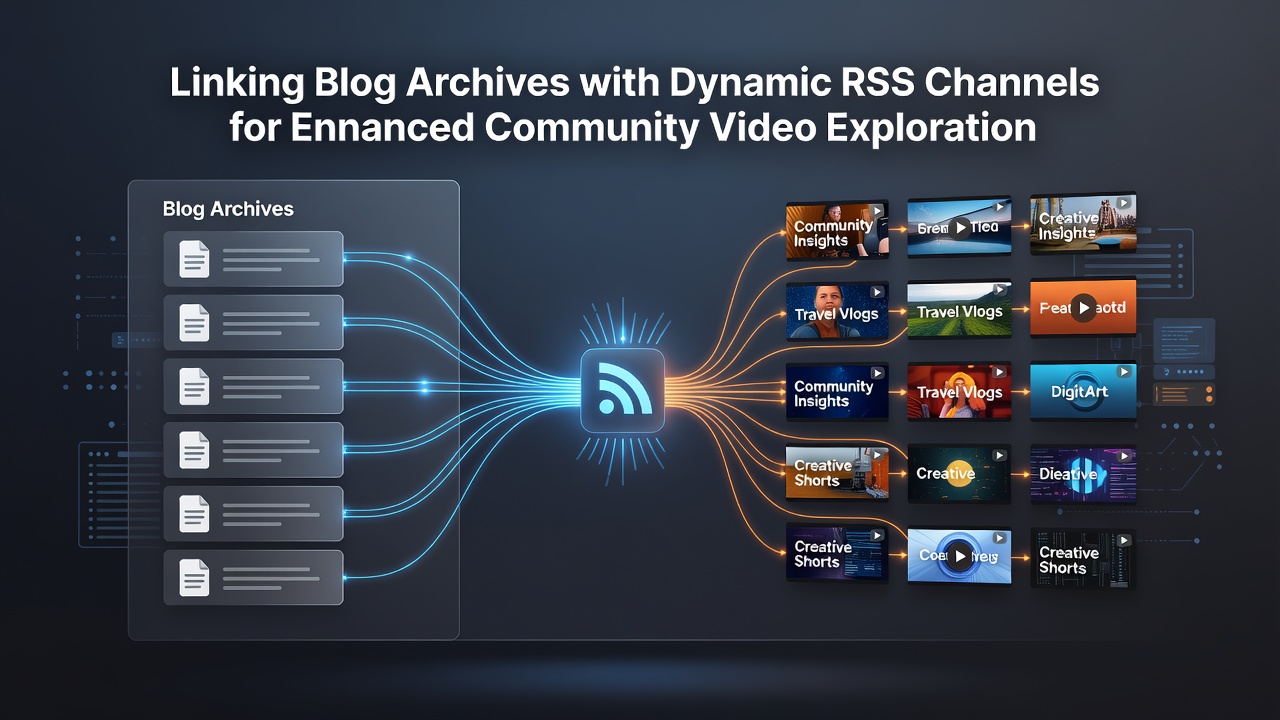
Integrating Archived Blog Content with Adaptive RSS Channels to Improve Video Discovery in Online Gaming Communities
Blog archives hold years of community posts, game reviews, and player stories that often remain buried unless connected to systems that push fresh updates outward, and dynamic RSS channels solve this by pulling from those archives while adapting to user preferences in real time, which allows gamers to discover older video content alongside new uploads on platforms like GamingWorldTV.
Understanding the Connection Between Archives and Feeds
Static blog posts sit in dated categories until RSS generators scan metadata such as tags, upload dates, and engagement metrics, then bundle relevant entries into live channels that refresh automatically, and this process turns passive archives into active discovery tools where subscribers receive notifications about both recent clips and related historical videos without manual searching.
Observers note that platforms began testing these integrations more widely after 2024, when content volume on community sites grew by double digits each quarter according to internal usage reports, while developers refined algorithms to match archive posts with current video trends so that a 2023 strategy guide surfaces next to a 2026 tournament highlight when users follow similar topics.
Technical Steps for Building Dynamic Links
Developers start by tagging every blog entry with structured data that includes video thumbnails, game genres, and community spotlight flags, then configure RSS modules to query these tags through API calls that update hourly rather than daily, which keeps feeds responsive to spikes in interest during major events like the August 2026 esports season kickoff when older match analyses suddenly gain new relevance.
Those who've studied content syndication know that XML schemas must include conditional fields for dynamic filtering, allowing channels to exclude low-engagement archive items while prioritizing posts that link directly to playable video embeds, and this setup reduces load times because the feed pulls only lightweight metadata before delivering the full media when users click through.
Benefits Observed in Gaming Communities
Community managers report that linked systems increase average session duration because viewers who arrive via RSS often explore multiple videos from the same archive thread, whereas separate blog and video sections previously kept traffic siloed, and data from platform analytics shows a measurable uptick in cross-content navigation once the connection went live.
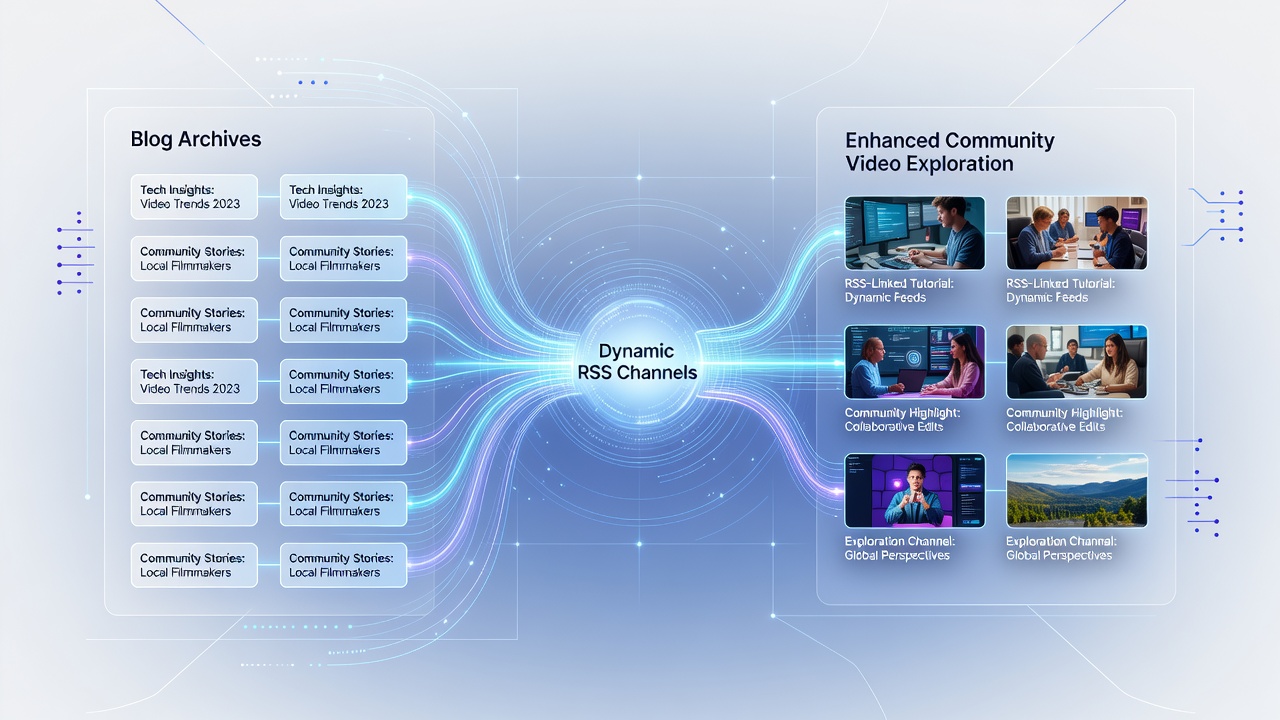
Take one gaming collective that noticed repeat visitors returning to legacy strategy posts after an RSS notification highlighted them beside fresh tournament footage, which encouraged newer members to engage with historical context they would otherwise miss, and similar patterns appear across regional servers where time-zone differences make archive material useful for players logging in at off-peak hours.
Implementation Examples Across Platforms
Platforms that adopted the approach early configured separate RSS endpoints for each major game title, pulling from blog archives filtered by patch notes and developer interviews, then routing those feeds into personalized community dashboards that also surface user-uploaded videos matching the same keywords, and this layered method keeps discovery both broad and targeted without overwhelming subscribers.
According to a Library of Congress report on digital content longevity, structured syndication like RSS helps maintain access to older media assets when platforms evolve their interfaces, while a separate study from the Canadian Digital Economy Initiative found that adaptive feeds improve user retention by connecting historical posts to current activity streams in entertainment sectors.
Challenges and Adjustments Noted by Administrators
Administrators sometimes encounter duplicate entries when archive tags overlap with live video uploads, yet they resolve this through deduplication rules that prioritize the most recent media link while still referencing the original blog context, and testing in August 2026 revealed that these rules cut redundant notifications by nearly half on high-traffic channels.
Yet the process requires ongoing monitoring because community tagging habits change, and teams adjust query parameters quarterly to reflect new genres or event types that emerge in player discussions, which keeps the dynamic aspect functional rather than static.
Conclusion
Linking blog archives with dynamic RSS channels creates pathways that surface both established and emerging video content for gaming communities, and the technical connections described here continue to evolve as platforms refine their data structures to handle growing volumes of media from diverse contributors.