How Feeds, Galleries, and Interactions Drive Content Circulation in Online Gaming Communities
Viktor Coleman · Jul 30, 2026
How Feeds, Galleries, and Interactions Drive Content Circulation in Online Gaming Communities
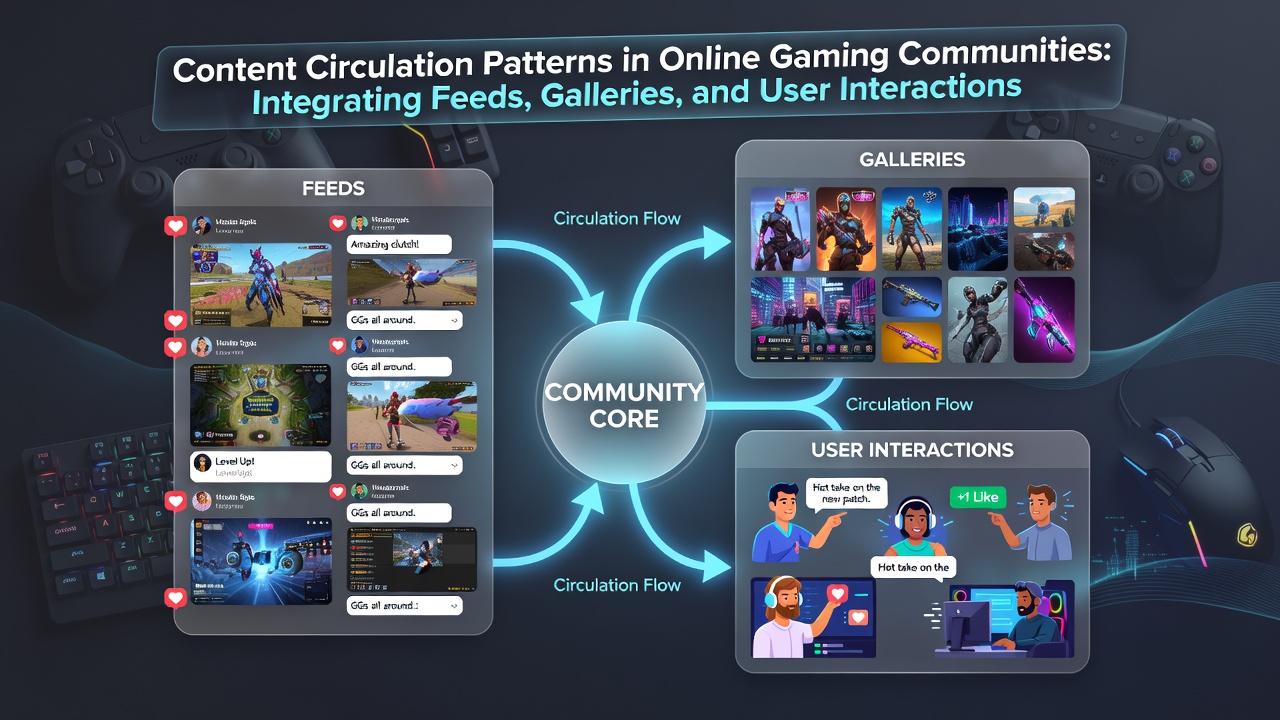
Online gaming communities rely on structured systems that move media from creators to audiences through coordinated channels, and these patterns have become more defined as platforms expand their tools for sharing. Researchers have tracked how feeds deliver timely updates, galleries organize visual assets, and user interactions amplify reach, creating loops that sustain engagement across sessions and time zones.
Core Mechanisms Behind Media Movement
Feeds operate as primary distribution points where new videos, screenshots, and announcements appear in chronological or algorithmic sequences, allowing community members to encounter fresh material without manual searching. Data from industry reports indicate that platforms processing millions of uploads daily see higher retention when feeds incorporate tags and categories that match user preferences, and this holds true as of July 2026 when several networks reported refined algorithms handling increased traffic during major tournament seasons.
Galleries serve a complementary function by grouping related images and clips into thematic collections, which reduces fragmentation and helps users locate material that aligns with specific interests such as character builds or event highlights. Observers note that galleries often receive more sustained views than single posts because they encourage extended browsing sessions, while integration with feeds allows new uploads to surface directly into these collections without additional steps.
User Interactions as Amplifiers
Comments, likes, shares, and remixes function as accelerators that push content beyond initial audiences, and studies from academic sources show measurable increases in visibility when interactions occur within the first hours of posting. The Entertainment Software Association has documented how community-driven endorsements correlate with broader distribution on gaming networks, particularly when users add context through annotations or cross-platform references.
These interactions also generate metadata that refines future recommendations, creating feedback loops where popular items rise faster in subsequent feed cycles. Platforms that surface interaction metrics in real time enable creators to adjust posting schedules, and this practice has grown more common as networks scale to accommodate global participants across multiple regions.
Integration Patterns Across Platforms
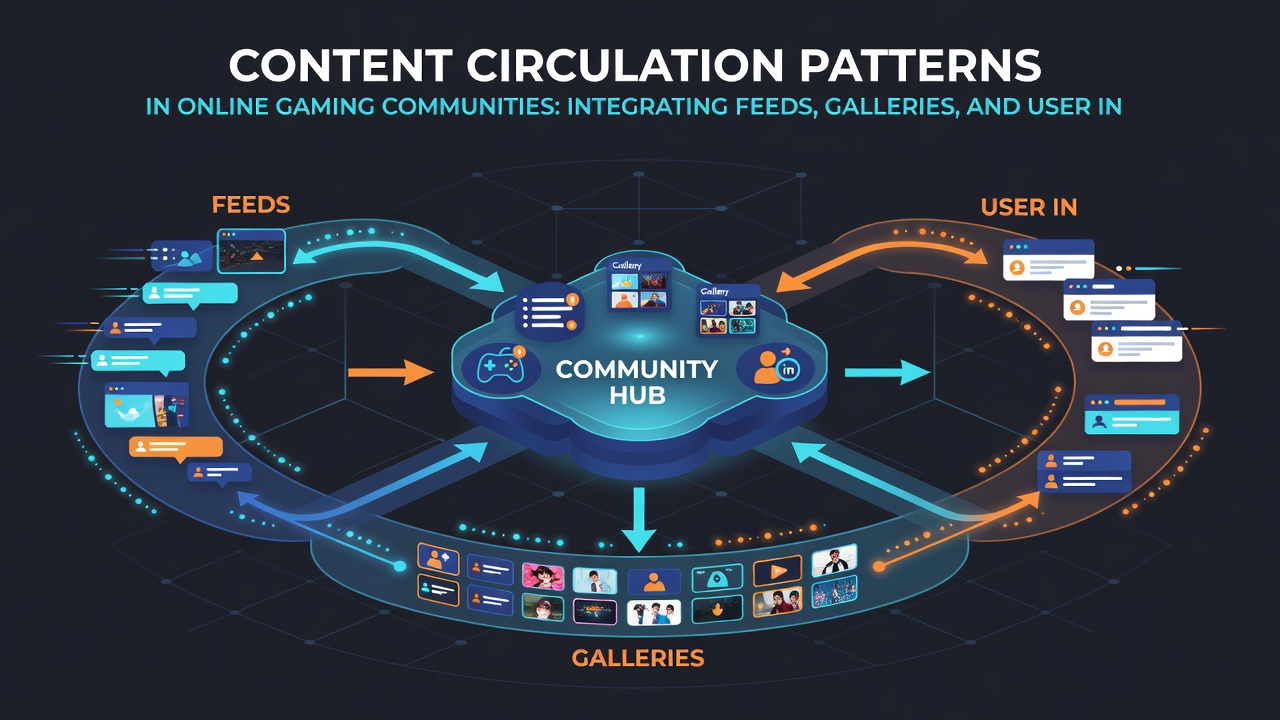
When feeds, galleries, and interactions connect through unified interfaces, content circulates more efficiently because users encounter multiple entry points without switching applications. Research indicates that seamless linking between these elements reduces drop-off rates during discovery phases, and several networks have implemented unified dashboards that display feed updates alongside gallery thumbnails and recent comment activity.
Cross-referencing occurs naturally when a video in a feed links to an associated gallery, or when a comment thread prompts additional uploads that appear in both locations. Those who manage community spaces report that such connections increase overall session duration, while data collected through platform analytics reveal patterns of repeated views within integrated environments compared to isolated sections.
Regional and Temporal Variations
Content circulation shows distinct rhythms tied to time zones and regional events, with peaks often aligning with evening hours in major markets and spikes during international competitions. Government and industry bodies in different regions, including analyses from the Canadian Interactive Digital Media Association, have examined how localized moderation and language support affect the speed at which material travels between communities.
Seasonal factors also influence volume, and observers have recorded higher gallery contributions during summer periods when extended play sessions generate more screenshots and clips. These variations underscore the need for adaptive feed algorithms that account for both global and localized trends without disrupting established interaction patterns.
Conclusion
Content circulation in online gaming communities emerges from the coordinated operation of feeds, galleries, and user interactions, each element reinforcing the others to sustain steady movement of media. As platforms continue to refine these connections, the resulting systems support larger volumes of shared material while maintaining discoverability for participants worldwide.