Gaming Media's Silent Engine: Blog Posts Fueling RSS-Driven Discovery in Niche Communities
Quinn Brooks · Jul 12, 2026
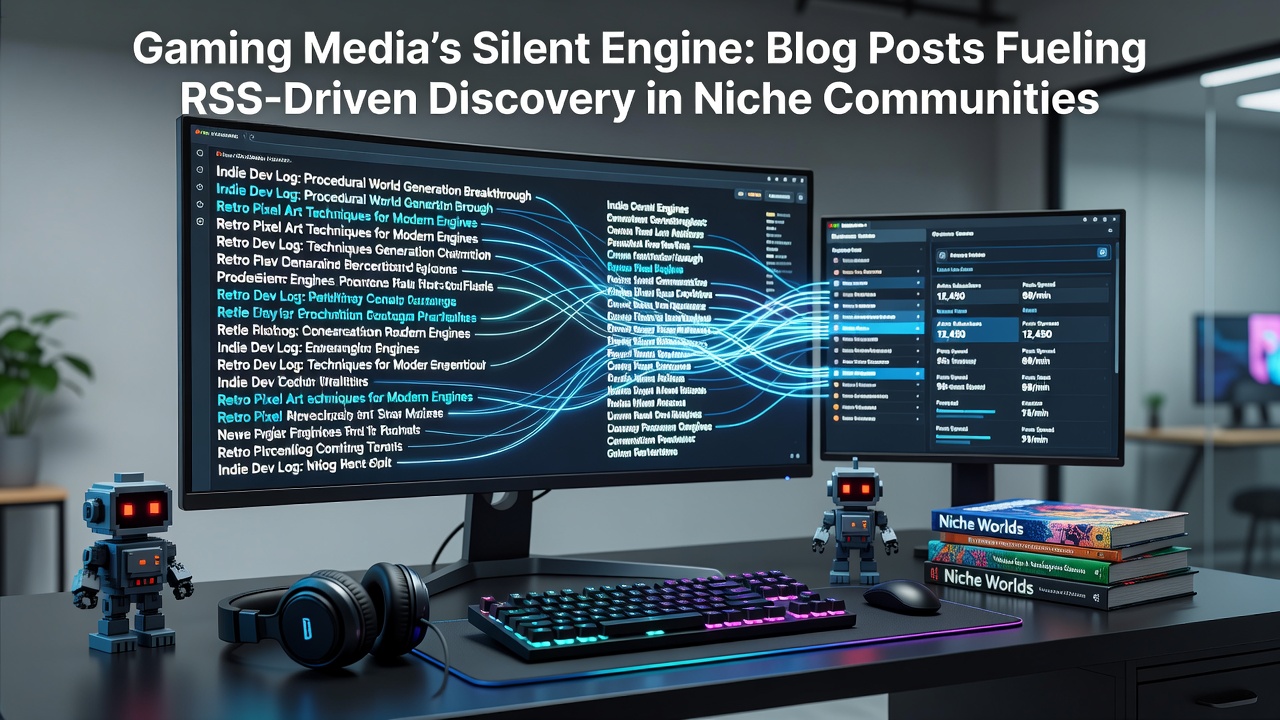
Gaming Media's Silent Engine: Blog Posts Fueling RSS-Driven Discovery in Niche Communities
Blog posts function as the core mechanism behind RSS-driven discovery in gaming media where niche communities rely on automated feeds to surface fresh content without depending on mainstream search algorithms, and this system has gained traction as platforms expand their community tools through 2026.
How Blog Posts Power RSS Feeds in Gaming Ecosystems
Blog entries on gaming platforms generate structured data that RSS channels pull automatically, which allows users in specialized groups to receive updates on indie titles, modding tutorials, and community events directly in their readers, while traditional browsing methods often overlook these smaller segments. Observers note that each post includes metadata tags for categories like genre or platform, which RSS parsers then organize into targeted streams that keep participants connected even when broader platforms change their visibility rules.
Developers at sites such as gamingworldtv have refined this integration so that new blog content triggers immediate feed refreshes, and this setup reduces the lag between creation and consumption that once limited smaller creators. Data from industry reports shows consistent growth in RSS subscriptions among gamers who track multiple sources simultaneously, with figures revealing that feed-based access now accounts for a notable portion of traffic in non-mainstream gaming circles.
Discovery Patterns in Niche Gaming Groups
Niche communities centered on retro gaming or specific esports titles use these blog-fueled RSS channels to bypass crowded recommendation engines, and members often subscribe to multiple feeds that aggregate posts from various creators in one place. Researchers at the Entertainment Software Association have tracked how such systems support sustained engagement in hobbyist networks where participants exchange detailed feedback on game mechanics and hardware mods through shared links delivered via RSS.
One study from Canadian digital media labs highlighted that RSS aggregation helps preserve content longevity because older blog posts remain accessible through archived feeds, whereas social timelines bury material quickly, and this durability proves valuable for communities documenting long-term projects like fan translations or speedrunning records. In July 2026 platform updates introduced enhanced RSS filtering options that let users refine streams by language or region, which further tightened connections within scattered groups spread across time zones.
Technical Flow from Post Creation to Community Reach
Content creators draft blog posts with embedded categories and timestamps that RSS protocols read automatically, then the system packages each entry into XML format for distribution across subscribed readers, while community moderators can curate public feed lists that newcomers join to stay current. This process avoids the need for constant manual checking and instead relies on background polling that surfaces material matching user interests, and experts have observed measurable upticks in interaction rates when feeds include direct links back to discussion threads.
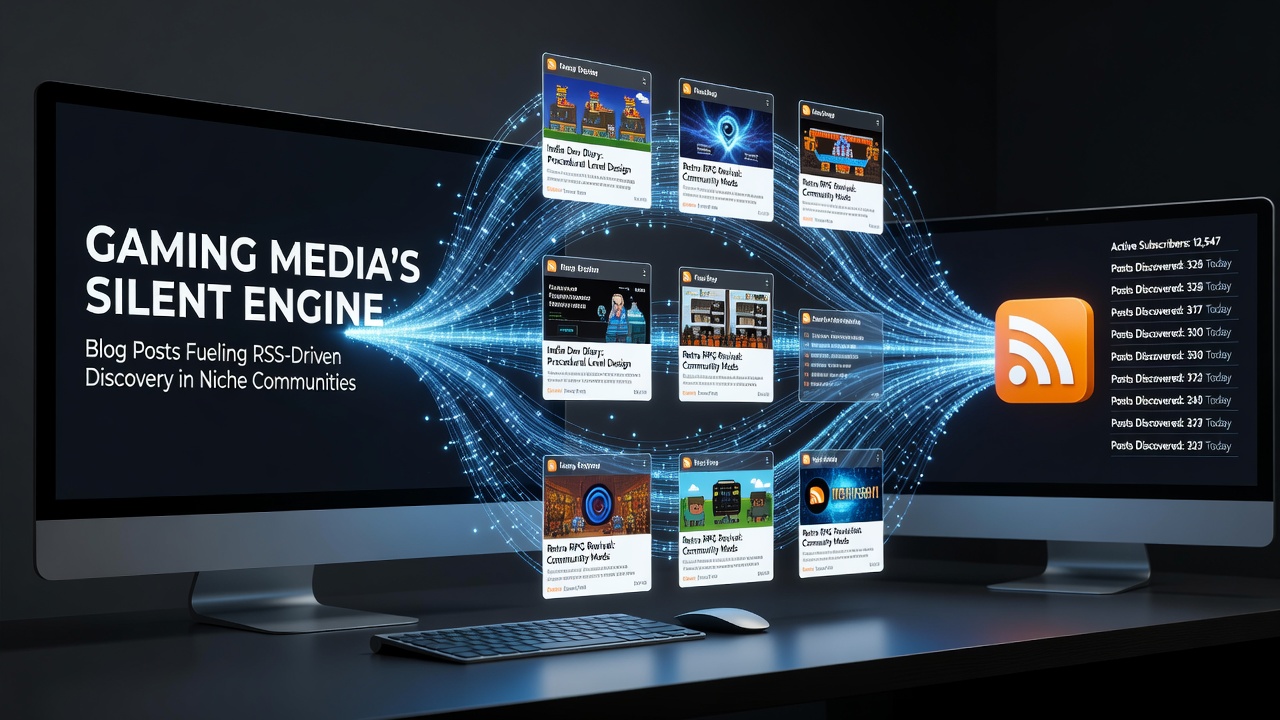
Platforms maintain separate RSS endpoints for different content types such as video highlights or gallery updates, which allows members to mix and match streams without overwhelming their inboxes, and this modular approach supports the varied needs of groups focused on competitive play versus narrative-driven experiences. Academic analyses from Australian research institutions indicate that RSS retention rates stay higher in gaming subcultures because the format delivers complete post summaries rather than truncated previews, reducing friction for users who want context before clicking through.
Case Examples from Active Communities
Take one network dedicated to open-source game engines where blog posts detailing code changes appear first in dedicated RSS channels, and subscribers then contribute patches or report bugs through linked forums that stay synchronized with the feed output. Another group tracking mobile indie releases uses aggregated blog feeds to compile weekly roundups that highlight lesser-known titles, and participants report discovering projects months before they trend on larger sites because the RSS layer prioritizes depth over virality.
Those who've studied these patterns note that blog-to-RSS pipelines also preserve creator attribution more reliably than repost chains, since each entry carries original author data through the feed metadata, and this traceability strengthens trust within tight-knit circles. Platform logs from mid-2026 show steady increases in feed subscriptions tied to blog activity, particularly after new tools allowed creators to schedule posts that automatically populate future RSS entries.
Broader Implications for Gaming Media Infrastructure
The combination of blog infrastructure with RSS delivery supports decentralized content ecosystems that resist single-point algorithm changes, and this resilience matters for communities that value consistent access over fleeting trends. Industry organizations continue to document how these silent engines sustain smaller creators by routing discovery traffic through feeds rather than paid promotions, while users gain control over what enters their information streams without relying on platform curation alone.
Conclusion
Blog posts remain the foundational element that keeps RSS channels active and relevant for niche gaming discovery, and the mechanics established through 2026 demonstrate a stable pathway for communities seeking targeted, persistent access to specialized content. As platforms refine these connections further, the underlying structure continues to facilitate direct exchanges among participants who depend on automated yet customizable information flows.