Coordinating Access Management and Creative Production Within Gaming Media Networks
Viktor Coleman · May 19, 2026
Coordinating Access Management and Creative Production Within Gaming Media Networks
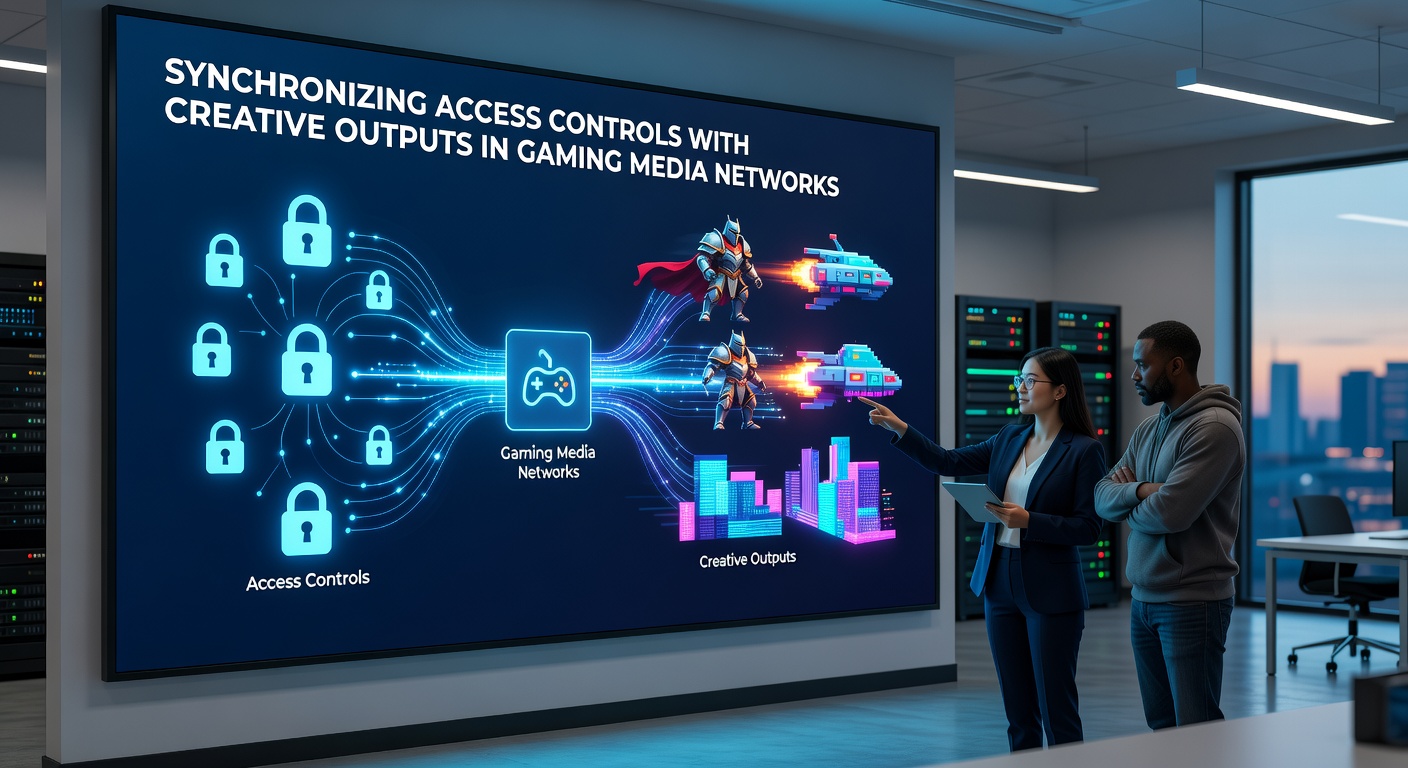
Access controls in gaming media networks operate as layered permission systems that determine who can view, modify, or distribute user-generated videos, streams, and interactive content, while creative outputs depend on seamless sharing mechanisms that encourage participation across global communities. Researchers have documented how these elements must align through automated protocols that adjust in real time to user roles, content sensitivity levels, and platform policies, especially as networks expand to accommodate millions of simultaneous uploads each day.
Core Components of Access Synchronization
Role-based frameworks assign permissions according to verified accounts, subscription tiers, and moderation histories, which allows creators to release new material without exposing personal data or violating regional compliance rules. Data indicates that networks employing dynamic access mapping see fewer unauthorized shares because the system cross-checks upload requests against predefined creative categories such as gameplay footage, fan art, or live commentary before granting distribution rights. Observers note that integration happens at the API level, where upload interfaces query permission databases instantly and apply restrictions only when flagged keywords or metadata patterns appear.
Encryption layers wrap creative files during transit and storage, yet they remain accessible to authorized collaborators through temporary keys generated on demand. Studies from research institutions show this approach preserves workflow speed for teams editing multiplayer replays or collaborative machinima projects while blocking external scrapers. In practice the synchronization reduces latency because the same backend service handles both authentication checks and content tagging, eliminating separate verification steps that previously slowed publishing queues.
Technical Implementation Across Platforms
Developers integrate attribute-based access control models that evaluate context including device location, time of day, and content rating before finalizing creative releases. This method proves particularly useful when platforms host region-specific events, since permissions can tighten automatically during high-traffic periods such as seasonal tournaments. Reports compiled by industry associations highlight successful deployments where creative outputs receive automatic watermarks tied to user identity, allowing traceability without manual intervention from administrators.
API gateways serve as the central checkpoint where creative submissions pass through validation routines that compare file types against approved creative formats and cross-reference account standing. When mismatches occur the system routes the material to review queues rather than outright rejection, maintaining creator momentum while upholding standards. Figures from platform analytics reveal that such gated pathways handle increased volumes during major game launches without proportional growth in support tickets.

Regulatory Alignment and Emerging Standards
Compliance requirements continue to evolve, and platforms must map internal access rules to external mandates concerning data protection and content classification. Updates scheduled for May 2026 from several international bodies will introduce stricter metadata requirements for user-generated material, compelling networks to refine how permissions attach to each creative asset. Experts tracking these changes note that early adopters already test automated tagging systems capable of embedding jurisdiction-specific labels directly into upload metadata.
Industry groups such as the Entertainment Software Association have published guidance on balancing creator freedom with protective controls, emphasizing transparent permission dashboards that let users preview visibility settings before publishing. Similar recommendations appear in reports from Asia-Pacific regulators, where emphasis falls on real-time monitoring tools that adjust access mid-stream during live creative broadcasts. These frameworks encourage networks to maintain audit logs that record every permission change alongside the corresponding creative output, creating traceable histories for dispute resolution.
Practical Outcomes for Creators and Networks
Creators experience fewer interruptions when access rules update in background processes rather than through disruptive interface changes. One documented case involved a community of speedrunners whose recorded sessions automatically received tiered visibility based on follower count and verified skill badges, allowing rapid sharing within trusted circles before wider release. Network operators report that synchronized systems decrease takedown requests because preventive filters catch mismatches earlier in the workflow.
Collaborative features such as shared editing rooms rely on granular permission sets that grant temporary write access without compromising original ownership. These arrangements support group projects where multiple contributors edit the same gaming highlight reel, with changes logged against individual credentials. Data collected across several platforms shows measurable upticks in repeat uploads once users trust that their creative control remains intact under evolving access policies.
Conclusion
Effective synchronization between access controls and creative outputs relies on continuous refinement of permission models, encryption practices, and regulatory mappings that keep pace with expanding gaming media networks. As platforms prepare for standards arriving in May 2026, the focus remains on systems that protect while permitting fluid creative exchange, supported by evidence from industry reports and technical studies worldwide.