Chronicles of Contribution: Tracing Content from Creation to Community Spotlight Through Platform Mechanics and Regulations
Klara Brooks · Jul 26, 2026
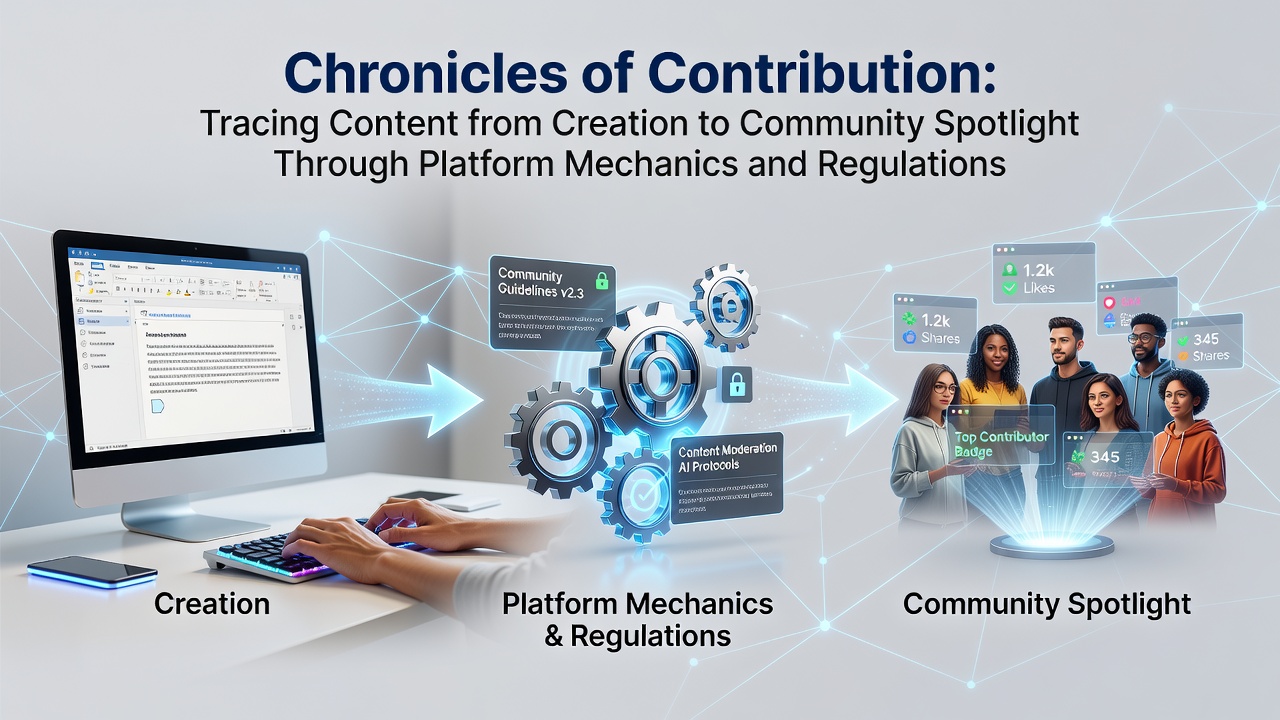
Chronicles of Contribution: Tracing Content from Creation to Community Spotlight Through Platform Mechanics and Regulations
Content begins its path at the moment a creator uploads a video clip, screenshot gallery, or live stream to an online platform, and this initial step sets the foundation for everything that follows because platform systems immediately process the file according to predefined technical standards while regulatory frameworks require clear labeling of ownership and compliance details. Creators who prepare their submissions with accurate metadata and appropriate tags increase the likelihood that automated review processes will advance the material without delays, and those who've studied platform behaviors note that early adherence to upload guidelines often determines whether an item enters the distribution queue promptly or encounters additional checks.
Mechanics of Initial Review and Distribution
Once uploaded, content enters a series of automated filters that scan for prohibited elements such as copyrighted material or violations of community standards, and these filters operate continuously across global server networks to maintain consistency regardless of upload time or location. Platforms apply ranking algorithms that weigh factors including engagement potential, recency, and creator history before deciding on initial visibility, while data from industry reports shows that items passing these checks reach broader audiences faster when they align with current trending categories. Observers note that the process resembles a relay where each stage hands off responsibility to the next, and successful handoffs depend on both technical compatibility and adherence to evolving policy documents issued by oversight bodies.
Pathway to Community Recognition
Content that survives initial screening then moves into recommendation engines that surface it to users based on their past interactions and stated preferences, and this stage represents a critical transition because visibility at this point often triggers organic sharing among community members. Researchers at academic institutions have documented how feedback loops form when viewers interact with material through likes, comments, or shares, and those interactions feed back into the algorithm to adjust future exposure levels. In July 2026, updates to digital services regulations across multiple jurisdictions are scheduled to require platforms to disclose more details about these recommendation criteria, which may alter how quickly new contributions reach spotlight status.
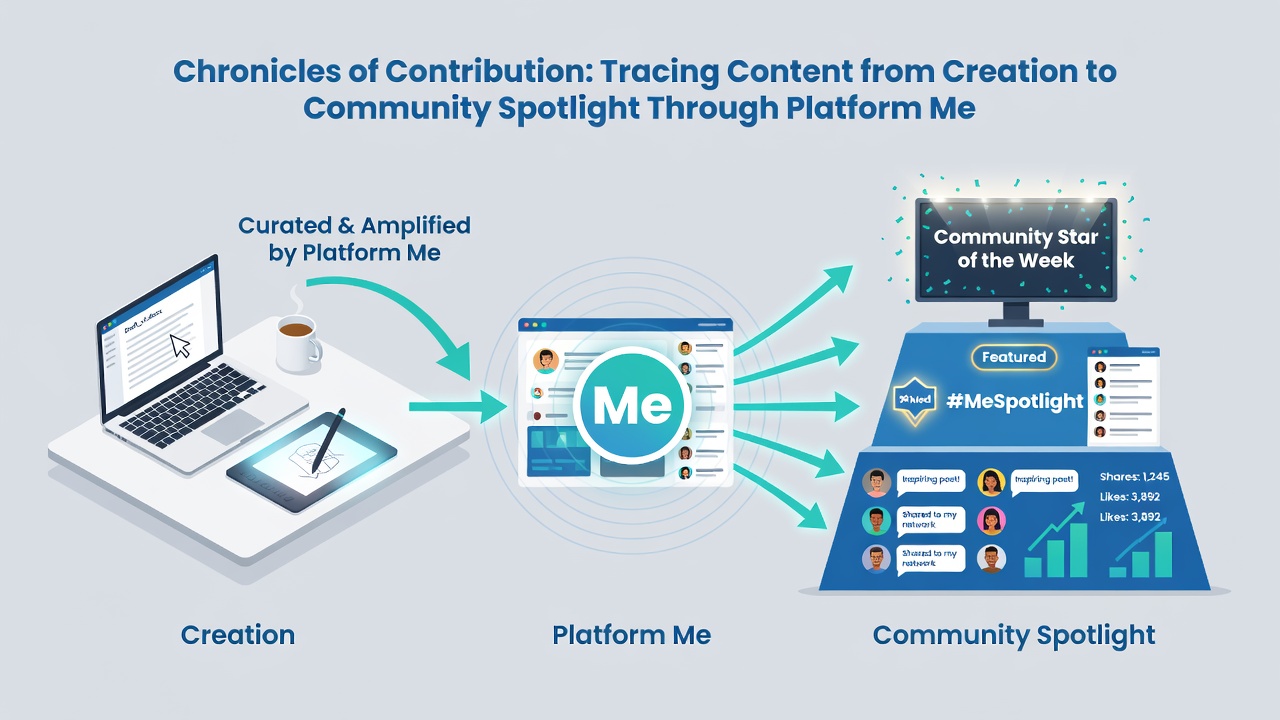
Community spotlights themselves emerge when aggregated user signals combine with editorial or automated curation decisions, and one study revealed that items selected for such features typically demonstrate sustained interaction rates over several days rather than single spikes. People who've tracked these patterns find that regional differences appear in how quickly content gains traction, with platforms adjusting for time zones and local holidays to optimize reach. External moderation teams or volunteer moderators may step in during this phase to verify that highlighted material continues to meet guidelines, and their interventions help sustain trust in the overall system.
Regulatory Influences on the Entire Journey
Government agencies and trade organizations impose requirements that shape every segment of this pipeline, from upload verification through final promotion, and the Federal Trade Commission in the United States has issued guidance on transparent disclosure of sponsored content that platforms must incorporate into their review processes. In parallel, the European Commission's Digital Services Act establishes transparency obligations for very large online platforms regarding algorithmic decision-making, and these rules affect how creators from EU member states prepare submissions. Industry associations such as the Entertainment Software Association compile data on best practices that help platforms balance regulatory compliance with user engagement goals, and figures released by these groups indicate steady growth in content volume across regulated markets.
Additional oversight comes from bodies in other regions, including Australia's eSafety Commissioner which focuses on online safety standards that influence content moderation timelines, and Canadian regulatory updates expected around mid-2026 aim to strengthen requirements for platform accountability in user-generated media. These layered requirements mean that creators and platform operators alike must monitor multiple sources of guidance to avoid disruptions in the contribution-to-spotlight sequence.
Conclusion
The full arc from content creation to community spotlight depends on coordinated interactions between technical systems, user behaviors, and regulatory mandates, and platforms that document their processes clearly tend to maintain smoother operations across jurisdictions. Evidence from ongoing research indicates that continued alignment between these elements supports steady expansion of community-driven media ecosystems while meeting external compliance standards.