Blog Visibility Meets Legal Frameworks: Interactions in Search and Upload Systems
Erik Baumann · Jun 30, 2026
Blog Visibility Meets Legal Frameworks: Interactions in Search and Upload Systems
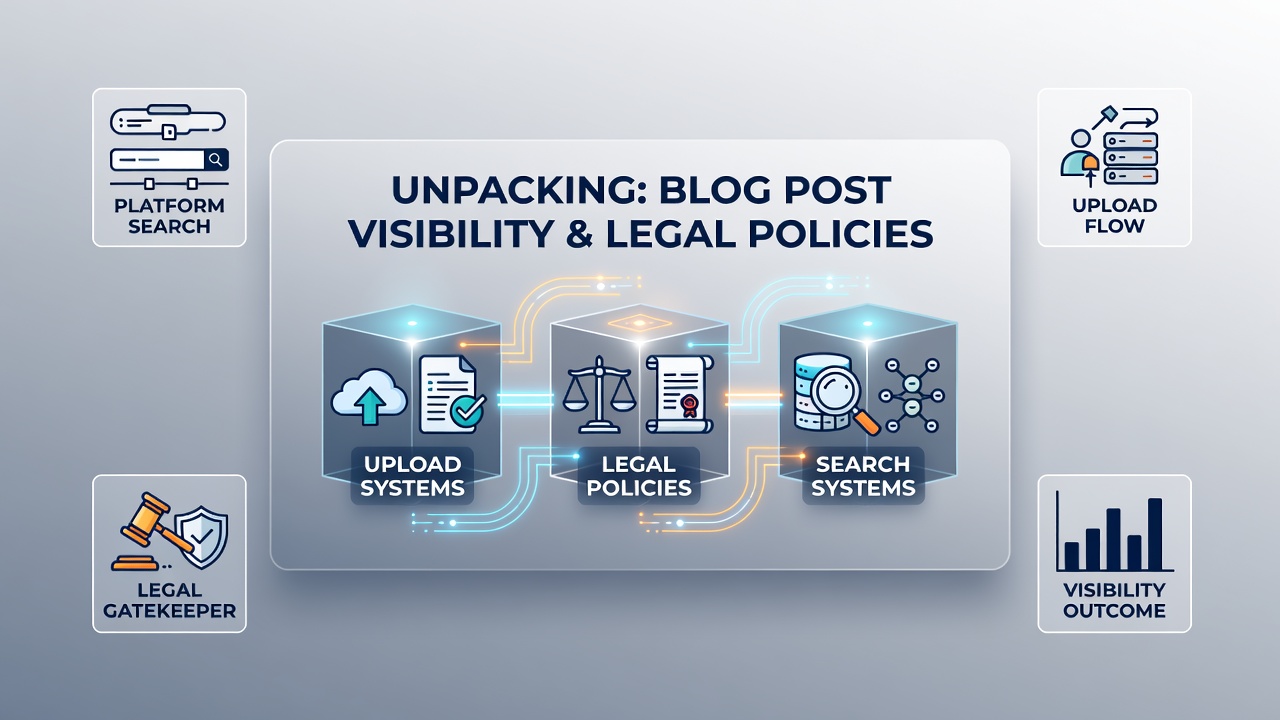
Blog post visibility on digital platforms depends heavily on how search algorithms and upload protocols align with legal policies, and platforms enforce these through automated filters plus manual reviews that can suppress or promote content based on compliance status. Data from regulatory bodies shows that visibility rankings shift when posts trigger legal checks during upload, which in turn affects how search results surface material to users across gaming communities and media feeds. Those who've examined platform mechanics note that upload systems often incorporate real-time scans for copyright, privacy, and content moderation rules before assigning initial visibility scores. When a post clears these checks it enters broader search indexes, whereas flagged items receive reduced exposure until resolved.Upload Protocols and Their Legal Ties
Platform upload processes integrate legal policy enforcement at multiple stages, beginning with metadata verification and extending to content analysis tools that detect potential violations. Research indicates these steps directly influence whether a blog post achieves default visibility levels or gets queued for further scrutiny, and gaming media sites apply similar layers to handle user-generated videos alongside written posts.
Observers note that policies rooted in regional laws create layered requirements, so a post uploaded in one jurisdiction might face different visibility thresholds than the same content submitted elsewhere. For instance, data privacy standards require platforms to limit indexing of posts containing personal information unless explicit consent mechanisms are confirmed during upload, which restricts search prominence accordingly.
Search Systems Respond to Compliance Signals
Search algorithms factor in legal compliance signals when ranking blog posts, drawing from flags generated during the upload phase to adjust visibility weights. According to industry reports, platforms adjust result placement based on factors like takedown history or verified adherence to terms, which means compliant posts often rank higher in targeted queries about gaming strategies or community updates.
What's interesting is how these interactions evolve with new regulations, and platforms scheduled adjustments in June 2026 to align search indexing with expanded digital services requirements that emphasize transparency in visibility decisions. This timing coincides with broader updates across multiple regions, allowing systems to recalibrate how they weigh legal status within search results.
Regional Policy Variations Shape Platform Behavior
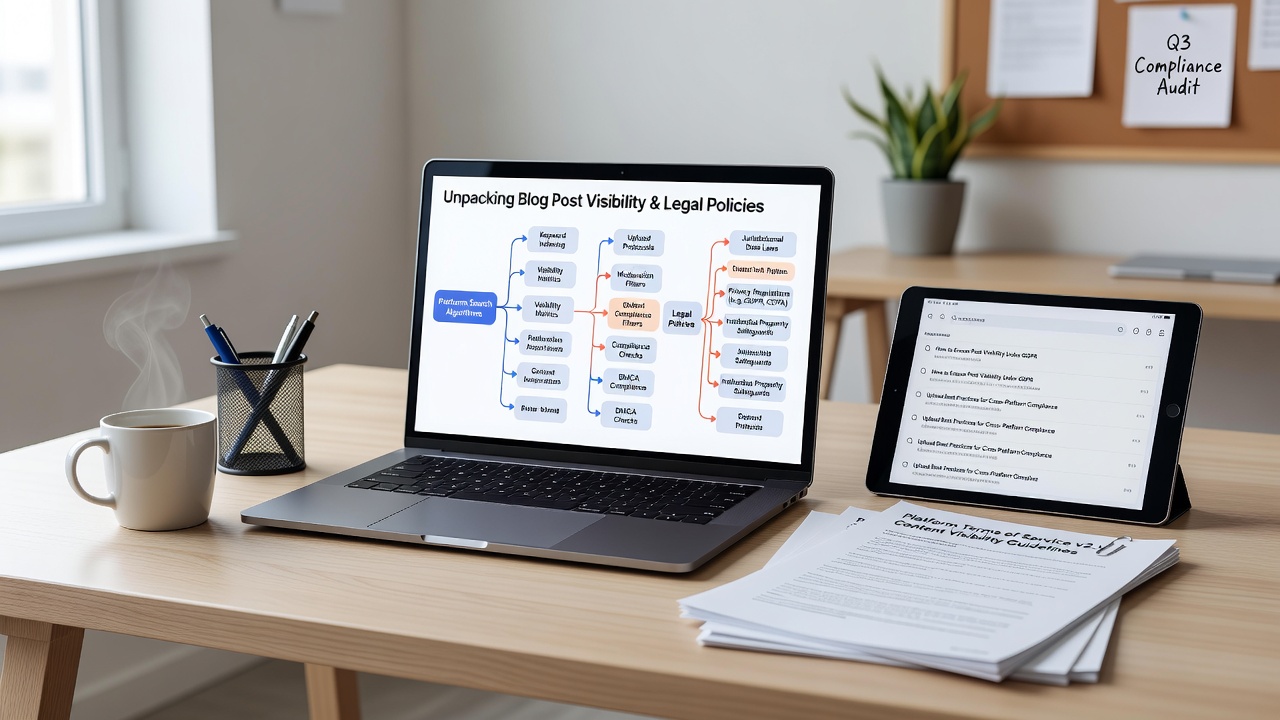
Legal frameworks differ by region, which leads platforms to customize their search and upload handling accordingly. European standards under the Digital Services Act require detailed reporting on visibility demotions tied to illegal content, while North American approaches often focus on intermediary liability protections that encourage proactive filtering before posts enter search indexes. Australian regulatory guidance similarly emphasizes user notification when visibility changes stem from policy violations.
Take one case where experts analyzed a gaming media platform's upload logs and found that posts mentioning third-party intellectual property received delayed search indexing until cleared through automated copyright checks, resulting in temporary visibility drops of up to 70 percent during review windows. Such patterns appear across multiple services and demonstrate the direct link between legal processing and search performance.
Those studying academic sources on platform governance point to university-led analyses showing that upload systems equipped with stronger legal integration maintain more consistent visibility distributions over time. These studies draw from datasets spanning several years and highlight correlations between policy adherence rates and search result stability.
Practical Effects on Content Creators
Content creators on platforms like gaming media hubs encounter these interactions through upload confirmation messages that reference visibility impacts from pending legal reviews. When systems detect potential issues early, posts may appear only in restricted feeds until resolved, which limits initial community exposure and subsequent search traction.
Figures from trade organizations reveal that gaming associations track these dynamics closely because visibility constraints affect how fan art, strategy blogs, and video embeds reach audiences. Platforms respond by providing compliance dashboards that let users monitor legal flags affecting search placement, thereby giving creators tools to adjust content before final submission.
Conclusion
The interplay between blog post visibility and legal policies operates through interconnected upload and search mechanisms that platforms refine continuously. Evidence from regulatory updates and platform data demonstrates measurable effects on how content surfaces, and these patterns hold particular relevance for gaming communities where timely visibility drives engagement. As systems adapt to evolving frameworks, including adjustments noted for June 2026, the core relationships between compliance, indexing, and exposure remain central to platform operations.