Advances in Media Submission and Exploration Systems for Dedicated Gaming Sites
Viktor Coleman · Aug 20, 2026
Advances in Media Submission and Exploration Systems for Dedicated Gaming Sites
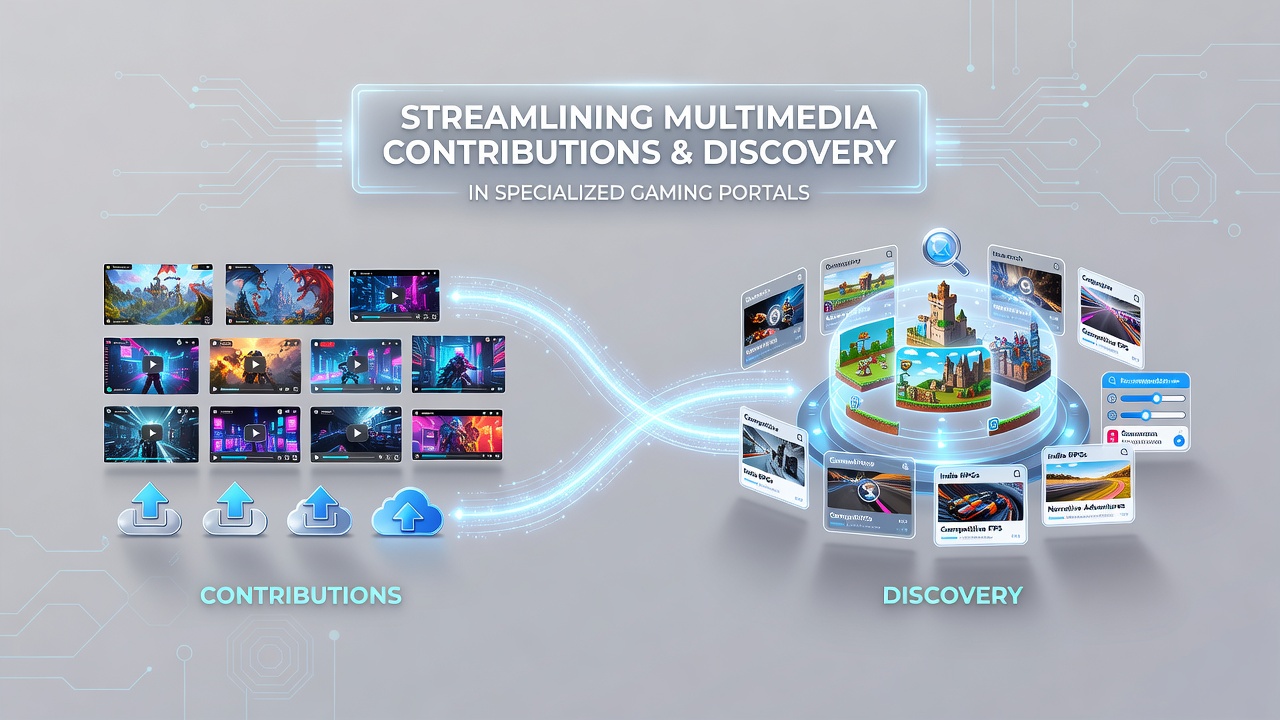
Specialized gaming portals have developed structured approaches to handle user-submitted videos, images, and related files while supporting efficient search and recommendation processes, and these systems rely on standardized upload protocols combined with backend indexing that reduces duplication and improves visibility for contributors. Data from industry reports indicate that portals integrating automated metadata tagging see higher rates of successful content categorization, which in turn supports faster retrieval across community sections.
Core Mechanisms Supporting Contributions
Upload workflows in these portals typically include drag-and-drop interfaces, file format validation, and size limits that align with server capacities, while moderation queues apply consistent review standards before publication occurs. Observers note that integration of cloud-based storage solutions allows simultaneous handling of multiple file types without interrupting user sessions, and this setup connects directly to user profile management so contributors retain ownership records. Research indicates that portals using API connections with external editing tools reduce processing times for video compression and thumbnail generation.
Discovery Pathways and Search Optimization
Search functions operate through keyword matching, tag-based filtering, and algorithmic ranking that prioritizes recent uploads alongside engagement metrics, while RSS feeds deliver categorized updates to subscribers without requiring manual refreshes. Those who manage portal infrastructure report that embedding semantic search capabilities improves result relevance when users query by game title, genre, or specific event dates. In August 2026 several platforms introduced enhanced cross-portal indexing that aggregates results from partner sites, which expands the pool of discoverable content while maintaining centralized user accounts.
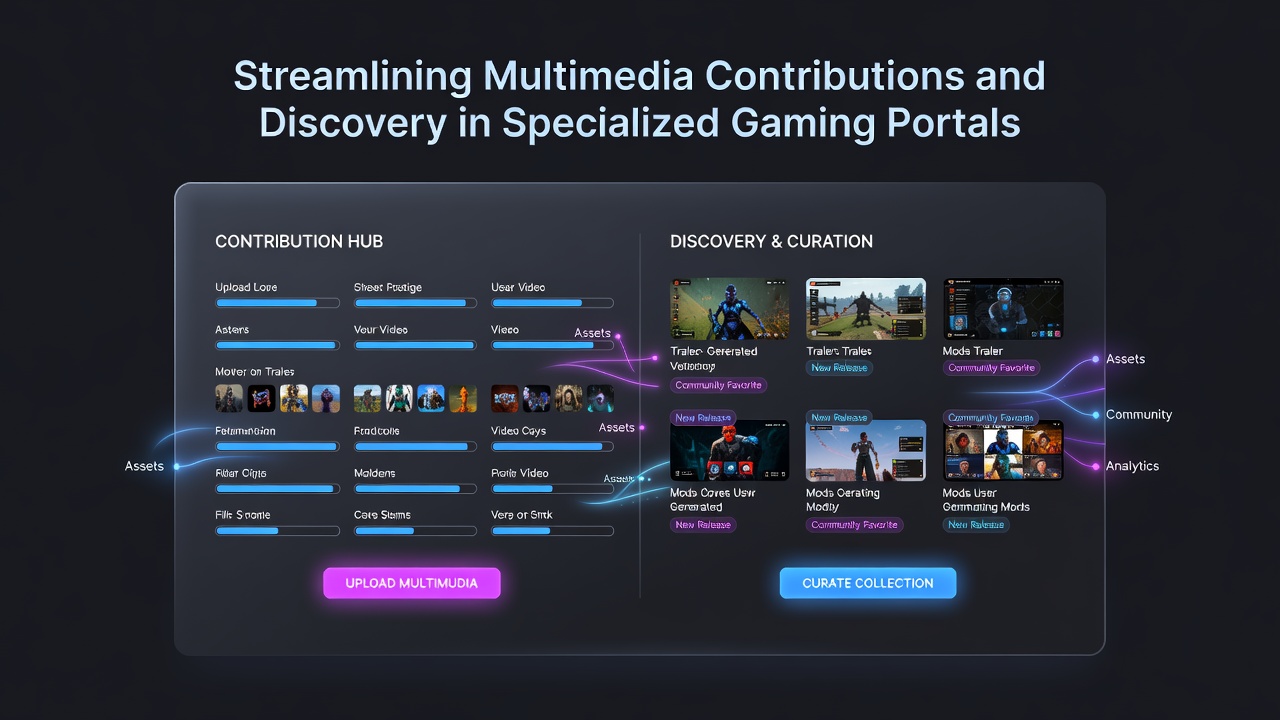
Recommendation engines draw from viewing histories and community interaction data to surface related media, and these systems often incorporate A/B testing to refine suggestion accuracy over time. According to figures released by the Entertainment Software Association, user-generated content volumes in gaming communities grew steadily through 2025, prompting portals to adopt more robust discovery layers that prevent content overload.
Integration with External Standards and Tools
Many portals align their contribution interfaces with broader digital content guidelines developed by regional bodies, which helps maintain compliance across jurisdictions while supporting features like automated captioning and accessibility tagging. Studies from academic sources, including reports issued through the European Commission's digital initiatives, show that standardized metadata practices lead to improved interoperability between different gaming sites. Portal administrators frequently deploy modular plugins that allow quick addition of new file support or search parameters without full system overhauls.
Community feedback loops contribute to iterative improvements, where usage analytics highlight bottlenecks in submission flows and inform targeted updates to interface design. This process connects contributor behavior directly to backend adjustments, resulting in streamlined paths that accommodate both novice and experienced users.
Future Developments and Platform Adaptations
Upcoming updates scheduled after August 2026 focus on deeper incorporation of machine learning for content categorization and predictive search suggestions, while maintaining user control over privacy settings during uploads. These adaptations respond to increasing volumes of multimedia files and the need for precise discovery tools that surface niche content effectively. Observers tracking platform metrics note that portals investing in these areas maintain higher retention rates for active contributors.
Conclusion
Specialized gaming portals continue to refine their multimedia contribution and discovery frameworks through technical integrations, standardized practices, and data-driven adjustments that support growing user bases and diverse content types. The combination of validated upload processes with advanced search capabilities creates functional environments where media remains accessible and organized across dedicated communities.